When you picture climate change, images like traffic jams or smokestacks may come to mind. But have you ever considered the hidden impact of your dinner plate? Our daily food choices—especially the types of protein we eat—carry a surprising influence on both personal wellness and the planet’s future. If you value holistic health, supporting your family’s wellbeing, or leaving a lighter footprint, there’s one gentle shift with far-reaching benefits. Let’s dive in.
Understanding the Link Between Food Choices and Climate
Most people know transportation and industry are major sources of greenhouse gases. Yet, what’s less recognized is the outsize role that food—particularly animal-based protein—plays in global emissions. Recent evidence in climate science shows that, unless things change, livestock may account for nearly half of the world’s allowable emissions budget by 2030, threatening our ability to keep global temperatures in a safe range for future generations.
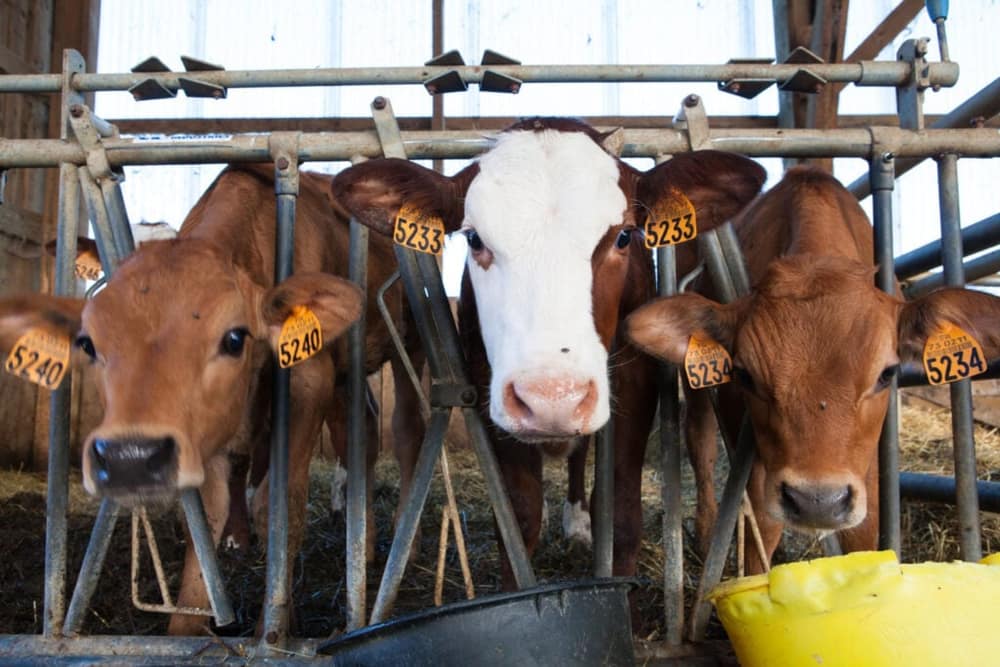
The greatest concern is methane, a greenhouse gas approximately 85 times stronger than carbon dioxide in trapping heat over two decades. With about 28 billion animals raised for food worldwide, methane emissions from livestock could surge by 60% over the next decade—just as experts call for rapid reductions to prevent more extreme climate disruptions.
Do You Need to Go Fully Vegan?
Not everyone is ready—or willing—to stop eating animal products entirely. Fortunately, you can make a meaningful difference without adopting an all-or-nothing approach. Newer research and sustainable nutrition experts suggest a gradual, flexible transition, designed to fit real life and support lasting change. Even modest steps, practiced consistently, help move the needle on both individual and planetary health.
Three Manageable Steps to a More Plant-Forward Plate
How can you begin to shift your protein sources in a way that supports climate resilience and your own wellbeing? Experts in sustainable food systems recommend a three-step method:
- 1. Understand “Peak Livestock”
The number of animals raised for food cannot keep increasing endlessly. Recognizing this tipping point helps motivate collective action to rebalance our global food system. - 2. Target High-Impact Swaps First
Not all animal proteins affect the environment equally. Start by reducing beef and lamb, which have the highest rates of methane and greenhouse gas emissions. Once comfortable, you can also consider alternatives for pork and poultry. - 3. Choose Nourishing, Low-Impact Plant Foods
Opt for plant proteins like lentils, chickpeas, beans, tofu, and nuts. These foods are nutritious, more land-efficient, and create a lighter environmental load. The goal is not only to eat less animal protein but also to thoughtfully replace it with foods that feed your body and the earth.
Simple and Satisfying Ways to Get Started
Transitioning does not mean giving up your favorite foods overnight. Begin by introducing one or two plant-based meals each week, such as:
- Lentil or bean chili that’s just as hearty as the meat-based version
- Chickpea salad sandwiches as a fresh twist on classic tuna or chicken salad
- Stir-fries with tofu, tempeh, or edamame for filling protein
- Walnut and veggie tacos loaded with vibrant toppings
You can make plant-based meals exciting with a range of herbs and spices. Try using rosemary, cumin, smoked paprika, fresh basil, garlic, ginger, or turmeric—not only for flavor but also for their historic roles in supporting digestion and wellbeing. Remember, while these seasonings are generally safe for most, anyone who is pregnant, breastfeeding, giving food to young children, or taking medications should consult their healthcare team before making dietary shifts or trying new herbal blends.
Supporting Your Health—Without Deficiencies
Focusing more on plant proteins can benefit your heart and metabolic health. Research shows that substituting even some animal proteins with beans, lentils, nuts, or soy foods is linked to:
- Better cardiovascular health
- Lower cholesterol levels
- Reduced risk of developing type 2 diabetes
Worried about missing out on protein, iron, or vitamin B12? Most people can meet their needs by enjoying a variety of whole plant foods. Pair iron-rich legumes with vitamin C-rich veggies (such as bell peppers or broccoli) to boost absorption. For B12, which is only found naturally in animal foods, consider a supplement if you lower animal product intake significantly—after consulting your healthcare provider.
Are Plant-Based Meals Becoming More Popular?
The momentum is real. In some countries, such as the UK, the proportion of people choosing plant-forward diets has quadrupled in only a few years. Many more are simply reducing, not eliminating, their meat intake. In the US, plant-based eating is growing steadily—often driven by people looking for a balanced approach to eating and sustainability. Even small, regular changes away from animal protein accumulate toward a lower climate impact.
Diet Isn’t Everything—But It’s a Powerful Place to Start
Eating more plants is not a cure-all for climate change. Energy, industry, and transportation also play critical roles. However, what makes food special is your personal power to choose—one meal at a time. And unlike some large-scale technologies still in development, shifting away from animal-based proteins toward plants offers a proven, immediate strategy that is practical for millions.

Welcoming Holistic Wellness for You—and the Planeta
Whether your motivation comes from personal health, a sense of planetary stewardship, or a desire to try new foods, every mindful adjustment supports holistic wellness. Here are ways to keep the journey enjoyable and inspiring:
- Try new cuisines: Dishes from Mediterranean, Indian, or Latin American traditions feature vibrant plant-based flavors and plenty of variety.
- Practice mindful eating: Savor new textures and flavors slowly, noticing how your body responds emotionally and physically.
- Connect with others: Cooking and sharing plant-powered meals with family or friends can make the experience more rewarding—and fun.
- Notice and celebrate progress: Every plant-forward choice is an act of self-care and environmental kindness, no matter how small.
Start Small—You Have the Power to Make Change
There’s no one “perfect” way to eat for health or the environment. Shifting toward plant proteins is a flexible journey—one you can shape to match your lifestyle, tastes, and needs. Take it meal by meal, focusing on curiosity and the positive impact of each small step. Ready to try? Choose one plant swap this week and notice how it feels for your body and your values.
Have you added more plant protein to your meals—or found a new legume, lentil, or tofu recipe you love? Save this article, share your favorites, and encourage someone else to join you on the path to sustainable wellness!
This article is for general wellness education and is not medical advice. Talk with a qualified clinician before changing health routines, supplements, or treatments.
Related Posts

Could Alzheimer’s-Linked Proteins Transfer in Blood? The Latest Insights
For most of us, blood transfusions symbolize healing — an…

What Your Sleep Position Says About You: Surprising Connections & Wellness Tips
Do you curl up snugly every night, spread out like…
Why Grandmothers Swear by Garlic, Cinnamon & Oregano Tea
When a scratchy throat or a heavy feeling after dinner…