Ever brushed off that nagging stomach ache, assuming it’s stress or your last meal? Most of us have. But sometimes, what feels like a fleeting digestive glitch is your body’s subtle way of calling for attention.
Stomach cancer, also known as gastric cancer, rarely arrives with loud, obvious symptoms. Its early messages can seem so ordinary—heartburn that lingers, meals that suddenly feel heavy—that it’s easy to miss them. Yet, tuning in to these gentle signals could make a powerful difference. Early action is linked to better outcomes. Let’s explore how to recognize these quiet signs and practice everyday habits for a resilient digestive system.
Why Stomach Cancer’s Early Signs Are Hard to Spot
Your digestive tract does so much behind the scenes—turning food into nourishment, supporting immune health, and sending feedback about your overall wellbeing. Sadly, this complexity can also make it difficult to distinguish between harmless discomfort and something more significant like stomach cancer.
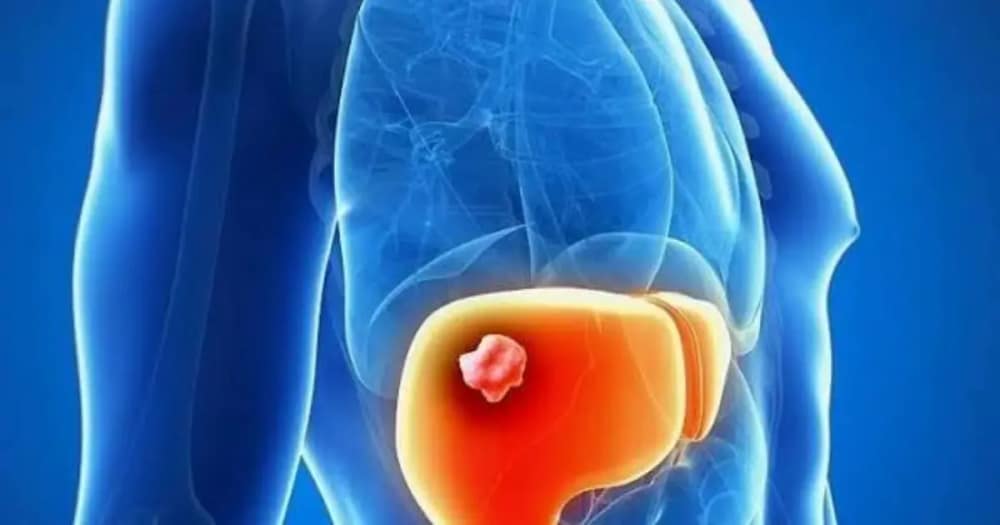
Stomach cancers usually begin in the lining’s gland cells (adenocarcinomas), though rare forms like lymphomas and gastrointestinal stromal tumors exist. What these forms share is a tendency to develop slowly and quietly, often hiding behind vague, everyday symptoms.
Common Reasons Early Symptoms Are Overlooked
- Most signs mimic daily digestive complaints—think mild bloating, indigestion, or heartburn.
- Busy lives, dietary changes, and stress often provide convenient explanations.
- Sporadic tummy troubles are normal for many, but persistent or unusual patterns deserve a closer look.
What Are the Early Warning Signs of Stomach Cancer?
Distinguishing when to relax and when to call your provider can be tricky. Still, there are several signals holistic practitioners and conventional doctors recommend taking seriously—especially if they continue over weeks, worsen, or start appearing together:
1. Indigestion or Heartburn That Won’t Quit
That burning or discomfort in your upper belly after eating might come and go, but if it sticks around, it’s worth checking. Signs include:
- Ongoing pain or a heavy sensation after meals
- Frequent bloating or burping
- A feeling of fullness that lasts longer than usual
Many causes are benign, linked to diet or stress. But new, unusual, or relentless symptoms should be discussed with a healthcare professional.
2. Getting Full Faster Than Before
Early satiety—feeling uncomfortably full after just a small amount of food—seems minor, but it may reflect a disruption in digestion. If you routinely find yourself struggling to finish meals and experience appetite changes, take note. Over time, eating less can also cause unexplained weight loss.
3. Unexplained Weight Loss
Losing weight without trying is an alarm bell for many conditions, including digestive diseases and stomach cancer. Track your body changes—gradual loss over several weeks or months, especially without dieting or increased activity, should prompt a check.
4. Loss of Appetite
A fleeting dip in appetite is common during stress or illness. However, a consistent lack of interest in food, disrupted by nausea or discomfort, especially with other symptoms, is a reason to consult your care provider.
5. Persistent Nausea or Stomach Pain
Occasional queasiness is seldom a major concern. But ongoing nausea or unexplained, mild but constant abdominal pain—particularly when other symptoms are present—should be shared with a health professional.
Less Common, But Important, Signs
- Black, tar-like stools (indicating possible bleeding in the digestive tract)
- Vomiting, especially if blood is present or vomit looks like coffee grounds
- Fatigue that lingers for no clear reason
These symptoms often show up in advanced stages, but if you notice them, do not delay seeking medical attention.
Everyday Holistic Support for Digestion
No natural practice replaces medical care for cancer, but nurturing your digestive system is a form of self-respect and resilience. Here are evidence-informed, gentle ways to support your gut and overall wellbeing. These are not cures, but meaningful complements to a healthy lifestyle:

Digestive-Friendly Foods
- Fiber-rich vegetables: Broccoli, cabbage, and leafy greens help maintain regularity and feed beneficial gut bacteria. Traditional diets rich in a variety of veg are linked to digestive health.
- Ginger: Used in many cultures to ease mild nausea and indigestion. Fresh ginger tea or slivers in cooking can be soothing, but use caution if pregnant, on blood thinners, or with gallstones.
- Fermented foods: Yogurt, kimchi, sauerkraut, and miso may foster healthy gut flora, according to emerging research. Start slowly, and opt for unprocessed varieties.
Mindful Eating Practices
- Pause and chew thoroughly—mindful eating supports digestion and helps notice satiety.
- Aim to avoid overeating, particularly late at night, which can disrupt gut rest.
- Stay attentive to changes in symptom patterns, and jot down notes to discuss with your healthcare provider.
Gentle Herbal and Lifestyle Allies
- Peppermint tea: Popular for mild indigestion, though not recommended for those with reflux.
- Relaxation techniques: Mindful breathing, gentle yoga, or walks in nature can help ease gut-related tension.
- Symptom journaling: Tracking digestive changes provides clarity—both for you and your provider.
Herbal and natural supplements are not suitable for everyone. Always consult your healthcare provider before starting new herbs or remedies, especially if pregnant, breastfeeding, managing chronic illness, or taking medication.
When to Reach Out for Medical Advice
Most of the time, a single episode of indigestion or loss of appetite is not a reason for worry. However, connect with a healthcare professional if you notice:
- Any digestive symptom (pain, nausea, fullness, or loss of appetite) lasting beyond two weeks, especially if new or unexplained
- Symptoms that intensify or occur together, such as rapid filling plus weight loss or unusual fatigue
- Unexplained bleeding, vomiting, black stools, or ongoing abdominal pain
Your body’s cues are worth listening to—early conversations help ensure peace of mind, and, if needed, prompt care. Most digestive troubles are not cancer, but honoring your intuition is never wasted.
Encouragement: Honoring Your Body’s Subtle Messages
Tuning in to your gut’s signals is one of the kindest acts of wellness. It is not about fear, but about respecting the wisdom of your body. If this information might help someone close to you, please share it. Your attention—and your voice—could make a life-changing difference.
Have you noticed persistent digestive changes lately? Save this article for reference or join the discussion below to support others navigating similar experiences.
This article is for general wellness education and is not medical advice. Talk with a qualified clinician before changing health routines, supplements, or treatments.
Related Posts

Calendula’s Gentle Touch: Simple Herbal Care for Radiant Skin
Struggling with dry, delicate, or easily aggravated skin can be…

Could Alzheimer’s-Linked Proteins Transfer in Blood? The Latest Insights
For most of us, blood transfusions symbolize healing — an…

Science and Nature Unite: How Heart Attacks Became Preventable
Not long ago, a heart attack was seen as a…