If you have ever traveled by air, you might have glanced at the flight crew as the plane began rolling down the runway or approached the tarmac for landing. Flight attendants, with practiced calm, take their seats and slip their hands snugly beneath their thighs. It is a subtle ritual—often unnoticed but founded in years of aviation safety research and hard-earned experience. Understanding the purpose of this position can transform the way you see in-flight safety and encourage a mindful, confident approach to air travel.
The Secret Role of the “Hands Under Thighs” Technique
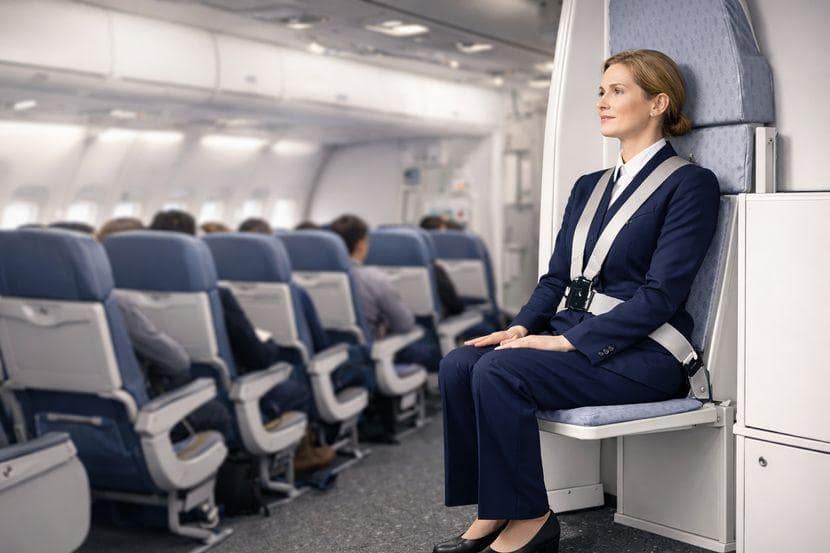
The next time you observe cabin crew preparing for takeoff or landing, you may notice they never just sit back and relax. Instead, their bodies are deliberately positioned to respond instantly if needed. This specialized brace stance is shaped by aviation safety protocols and is consistently practiced worldwide. Here is what makes it so essential:
- Supported Back: The upright, anchored posture against the jumpseat strengthens the body’s alignment, minimizing injury from any sudden force.
- Hands Protected: Tucking hands under the thighs prevents the arms from being thrown forward or injured if there is turbulence or a hard stop.
- Feet Firmly Grounded: Keeping feet flat on the floor provides the steadiness needed to move swiftly once it is safe to assist others.
This practice is not about comfort; it is an intentional way for flight attendants to minimize their own risk of harm so they remain able to help others in an emergency. Their safety habits, invisible to most passengers, are vital links in the chain of in-flight security.
High-Risk Moments and Crew Readiness
Takeoff and landing are known in aviation as “critical phases” due to the increased chance of incident—when the aircraft is closest to the ground, speeds and configurations change rapidly, and there is less time for corrective action. Airlines worldwide train crew to use every safeguard available, including this precise body stance. If a situation arises, flight attendants must be uninjured and alert, ready to open exits, guide passengers, and manage emergencies within seconds.
Travel Wellness: What Passengers Can Learn from Flight Crew
Traveling well is not just about stress-free booking or comfort snacks. The habits of professional flight attendants offer inspiration for conscious, resilient journeys—whether you are a frequent flyer or a first-timer. Try these holistic strategies, rooted in informed readiness:
- Stay Buckled: Wear your seatbelt anytime you are seated, even if the sign is off. This small act greatly reduces the risk of injury from unexpected turbulence.
- Practice Presence: During takeoff and landing, gently set aside distractions. Listen to announcements, and briefly scan the safety card to refresh your memory—anxiety often fades with knowledge.
- Align Your Body: Sitting upright with feet on the floor supports your posture and physical well-being. Adopt the crew’s stabilizing habits in moments of turbulence.
- Travel with Soothing Herbal Teas: Bringing calming herbal teas such as chamomile or ginger can offer comfort for sensitive stomachs or nerves, in line with traditional use. Warm infusions may ease tension, though direct research for in-flight benefits remains limited. Always check airport security rules before packing.
- Try Simple Breathing Techniques: Slow, mindful breathing—such as inhaling for four counts and exhaling for six—can support calm and help ground you during stressful moments.
Safety Reminder: Consult your healthcare provider before trying new herbs, especially if you are pregnant, breastfeeding, caring for children, or managing ongoing health issues or medications.
The “Brace Position” for Passengers: When and How to Use It
While the hands-under-thighs position is unique to trained crew, there is a version of the “brace position” that passengers may be instructed to use in very rare circumstances. The general method involves:
- Bending forward so your head is near your knees and close to the seat in front.
- Placing your hands or arms on the back of the seat (if reachable) or wrapping your arms around your legs.
- Feet flat and slightly behind your knees to minimize injury risk.
This position is only used during actual emergencies, following crew directions. Mentally rehearsing what you would do, even once, can help you respond quickly if needed.
Integrative Practices for Resilient, Mindful Air Travel
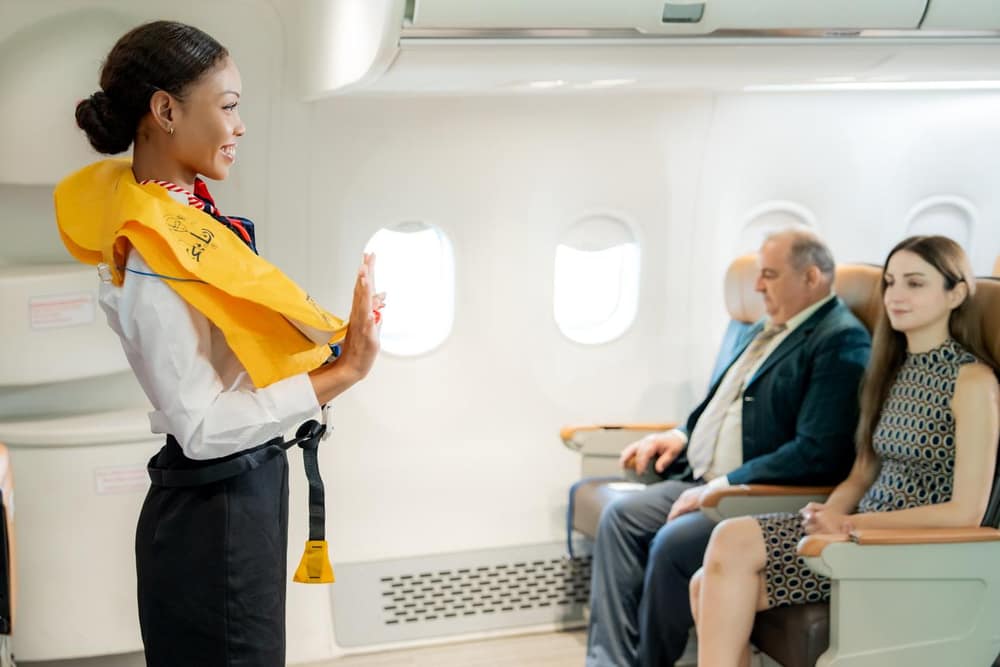
Optimal travel safety is a blend of physical, mental, and emotional well-being. Drawing on holistic practices can make every journey smoother and more restorative:
- Aromatherapy On-the-Go: Lavender or bergamot oil used on a personal inhaler may encourage calm, based on traditional use. Exercise caution—do not ingest oils, and avoid topical use if you are pregnant, breastfeeding, have allergies, or are flying with children.
- Gentle In-Seat Movement: Periodic ankle rolls, shoulder shrugs, and neck stretches on longer flights help stimulate circulation and reduce stiffness.
- Visualization and Gratitude: Before takeoff, take a few moments to imagine a safe, pleasant trip and reflect with appreciation for the crew’s preparedness. Such rituals are linked to greater travel comfort and mindfulness.
- Sleep Support: Use a neck pillow or rolled scarf for posture and relaxation. Some travelers use supplements like valerian root or melatonin to support sleep on overnight flights—seek guidance from a healthcare provider, especially if taking medications.
Note: While holistic remedies and practices can promote comfort and resilience, they are best used alongside—never in place of—medical advice and official safety guidelines.
Small Habits, Big Difference: Staying Calm in the Skies
The next time you spot a flight attendant sitting quietly with hands tucked, remember this powerful, purposeful gesture is part of a much greater safety system. It is an invitation to bring your own awareness and composure to the skies. Whether adopting mindful breathing, thoughtful posture, or gratitude for experienced crew, these small steps can lead to safer, more balanced journeys—for yourself and fellow travelers.
Have you seen this flight crew habit on your travels? How does it change your perspective on flying? Save or share this article to help others travel with confidence and awareness.
This article is for general wellness education and is not medical advice. Talk with a qualified clinician before changing health routines, supplements, or treatments.
Related Posts
How to Clean Your Ears Safely: Break the Cotton Swab Habit
Does ear cleaning tempt you with the quick fix of…

Tuberculosis: The Overlooked Infectious Disease Still Claiming Lives
Imagine this: you have a cough that lingers week after…
Science and Nature Unite: How Heart Attacks Became Preventable
Not long ago, a heart attack was seen as a…