Does ear cleaning tempt you with the quick fix of a cotton swab, despite knowing it might not be the best idea? It is a nearly universal ritual—one passed down through families, reinforced by habit, and even delivered with a sense of satisfaction at ‘seeing results.’ Yet, what if this classic method is doing more harm than good? If your ear hygiene routine involves anything more than gentle care of the outer ear, it is time to reconsider. The best ear care often means helping your body’s natural cleaning process, not interfering with it.
Why Cotton Swabs Are Not the Answer for Ear Cleaning
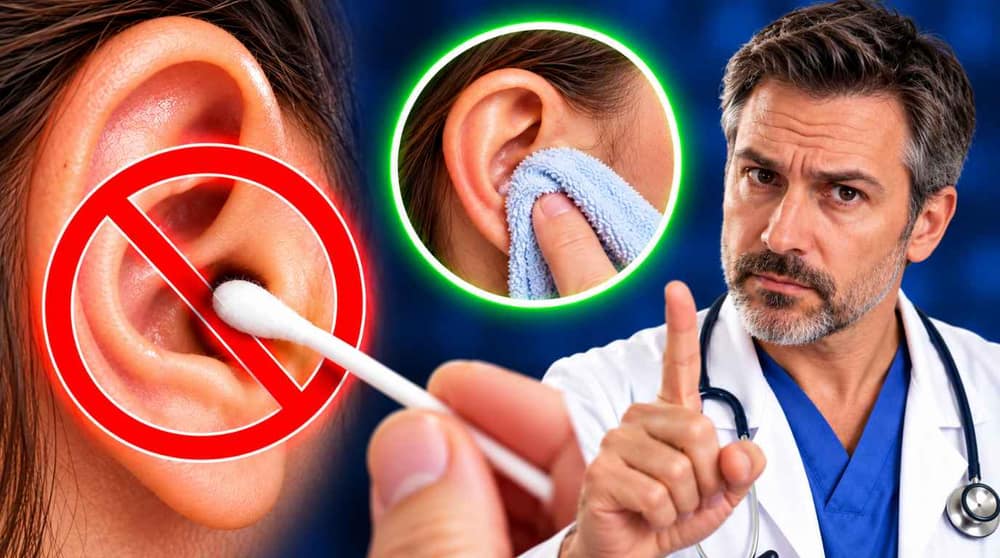
That urge to sweep away wax with a cotton swab is familiar, but the practice comes with real risks. Cotton swabs (often called Q-tips) were never meant for deep cleaning of your ear canal. Manufacturers’ warnings usually say: Do not insert swab into ear canal. Why? Because the ear canal is a delicate, inch-long passage—meant to stay mostly untouched.
- Pushing wax deeper: Cotton swabs often force wax toward the eardrum, not out of the ear.
- Risking blockage and discomfort: Packing wax can cause impaction, muffled hearing, ringing sounds (tinnitus), or even dizziness.
- Potential injury: Inserting objects in the ear canal may lead to scratches, infections, or—rarely—eardrum damage.
Most swab packaging recommends their use for tasks like makeup adjustments or cleaning electronics—not for inside-the-ear cleaning!
Your Ears’ Natural Cleaning System Explained
Earwax (cerumen) is a natural, antimicrobial substance, not a sign of poor hygiene. Its primary roles include:
- Trapping dust and debris before they reach the eardrum
- Moisturizing and protecting delicate ear canal skin
- Discouraging infection by keeping a healthy ear environment
The body has self-cleaning mechanisms for earwax:
- Jaw movements: Talking and chewing assist in nudging old wax outwards
- Skin migration: Ear canal skin grows outward, carrying wax with it
- Shower water: Gentle rinsing can assist wax in reaching the outer ear, where it may be wiped away
Unless your ears are producing excess wax or there is an underlying condition, this system is usually enough to keep your ears clear and comfortable.
Holistic Ways to Support Self-Cleaning Ears
Encourage your ears’ natural process with this gentle, holistic approach:
- While showering, let warm water and mild soap or shampoo flow briefly around the outer ear (not directly into the canal).
- After tipping your head to one side, allow excess water and softened wax to drain—repeat on the other side if needed.
- Only wipe the external ear with a towel-wrapped finger or clean cloth. Do not insert objects or cloths into the ear canal.
Seeing a small amount of wax near the outer ear is a healthy sign that your ears are self-cleaning.
When Earwax Needs Attention
Although most ears manage wax on their own, some people experience buildup or impaction. Watch for these signs:
- Sudden hearing loss or a feeling of fullness
- Persistent ringing or buzzing noises
- Ear pain or discomfort
- Dizziness or unsteadiness
- Unusual discharge or persistent itching
If you notice any of these, seek advice from a healthcare professional. Children, those with ear tubes, anyone who has had ear surgery, or people with chronic health conditions should exercise extra caution and avoid home remedies without professional guidance.
Holistic Ear Care Habits: Lifestyle and Natural Tips
- Herbal oil use—proceed with caution: Some people apply a few drops of warm olive oil to soften stubborn wax, but this must only be done on a provider’s advice and never if you have ear pain, tubes, suspected eardrum damage, or other ear issues.
- Stay hydrated: Dry skin may contribute to harder wax; keeping up with fluid intake supports more comfortable, supple skin (including the ears).
- Emphasize healthy fats: Essential fatty acids—found in foods like walnuts, flaxseed, or quality oils—help maintain skin integrity throughout the body, including inside the ear canal.
- Practice mindful self-care: Pay attention to changes in hearing or itchiness. If discomfort builds, stop all digging or probing and let your ears rest.
People who are pregnant, breastfeeding, on blood thinners, or have existing ear conditions should always seek medical advice before trying natural approaches. Never use “ear candles,” sharp tools, or any gadgets not explicitly approved by your health practitioner for ear care.
FAQs About Earwax, Swabs, and Clean Ears
Why is it so satisfying to see wax on a cotton swab?
It signals “proof” of cleaning—yet what shows on the tip may be a fraction of what’s been pushed deeper, risking impaction over time.
Is earwax unhygienic?
On the contrary, earwax is a protective, useful substance that keeps the canal moist and helps defend against bacteria and dust.
Should I use cotton swabs for any ear care?
You may carefully use them to wipe the visible outer ear folds—but never insert them into the canal itself.
How much cleaning do healthy ears need?
For most adults, gentle dabbing after a shower is sufficient. Additional cleaning or interventions should only be done on a healthcare provider’s advice.

Safe Ear Care Checklist: A Quick Reference
- Avoid inserting swabs or objects into your ear canal
- Trust your body’s process and use gentle, warm water rinsing when showering
- Dry the outer ear only, using a towel or soft cloth
- Heed all warnings on ear care products and packaging
- Consult a professional if you notice pain, hearing loss, or other persistent ear symptoms
Conclusion: Listen to What Your Ears Need
Changing your ear cleaning habits may take a little time, yet letting your ears function as nature intended can mean fewer problems in the long run. With gentle, natural self-care and attention to your body’s signals, you can promote healthier, happier ears. Have you noticed a difference since cutting back on swab use or trying holistic ear care tips? Share your insights, save this article for later, or send it to friends who might benefit from a fresh approach to ear health.
This article is for general wellness education and is not medical advice. Talk with a qualified clinician before changing health routines, supplements, or treatments.
Related Posts

Tuberculosis: The Overlooked Infectious Disease Still Claiming Lives
Imagine this: you have a cough that lingers week after…

Science and Nature Unite: How Heart Attacks Became Preventable
Not long ago, a heart attack was seen as a…

Could Alzheimer’s-Linked Proteins Transfer in Blood? The Latest Insights
For most of us, blood transfusions symbolize healing — an…