Imagine this: you have a cough that lingers week after week. It is easy to blame allergies or the changing weather, but what if something deeper is at play—something millions overlook?
While the world pays attention to new viruses, one ancient illness keeps claiming more lives than almost any other infectious disease. Tuberculosis (TB) still kills over a million people every year. Even more surprising, millions silently carry the bacteria in the United States, often with no outward sign.
The Silent Persistence of Tuberculosis: Outpacing Modern Epidemics
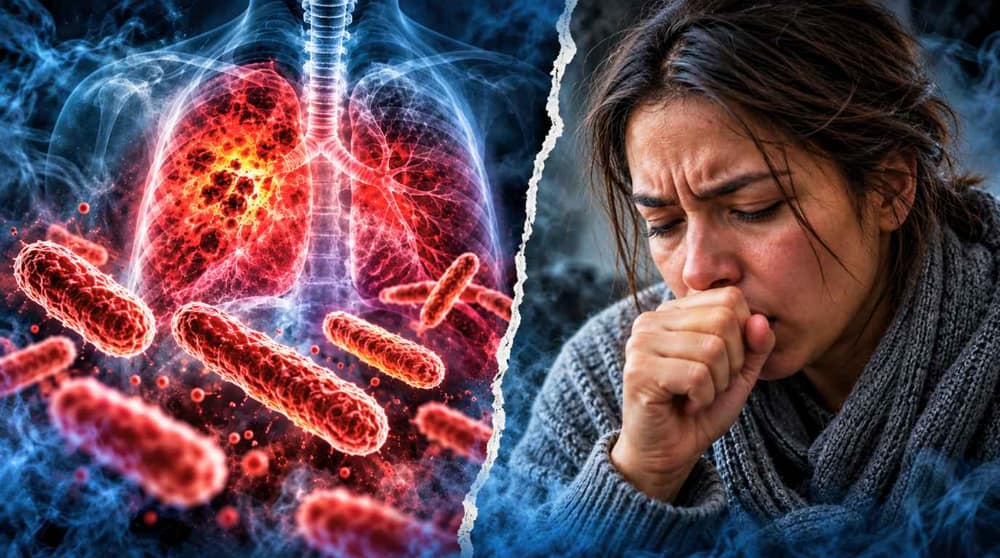
TB is not just a story from history books. According to recent data from the World Health Organization, more than 1.23 million people die of tuberculosis globally each year. This ancient infection continues to outpace other infectious killers, highlighting the danger of underestimating diseases that fade from headlines.
Essential facts to keep in mind:
- Over 10 million people develop active TB annually worldwide.
- While some regions, including parts of Asia and Africa, face the highest rates, TB is present on every continent—including North America.
- About 13 million Americans carry latent TB, meaning they harbor the bacteria without current symptoms.
What Is TB, Really?
Tuberculosis is a bacterial infection caused by Mycobacterium tuberculosis. It spreads through the air—via coughing, sneezing, or even talking—when someone with active TB is nearby. Most commonly, TB attacks the lungs, but it can affect other organs too.
Thankfully, TB is both preventable and usually treatable. Unfortunately, because it often hides in the body for years before symptoms emerge, many people have no idea they are at risk—or that they could infect others without knowing.
Who Is Most at Risk? Hidden Hazards and Vulnerable Groups
Tuberculosis can impact anyone, but certain factors increase vulnerability. Know your risk, especially if you or a loved one:
- Was born in or traveled extensively to countries with higher TB prevalence (including India, China, Indonesia, regions in Africa, Eastern Europe, and Latin America)
- Has a weakened immune system due to HIV, diabetes, or medications that reduce immune response
- Has close contact with someone diagnosed with active TB
- Works or spends time in healthcare settings, shelters, or prisons, where TB spreads more easily
Five major factors fuel TB globally:
- Undernutrition
- HIV infection
- Alcohol use disorders
- Smoking
- Diabetes
Understanding and addressing these risks—such as improving nutrition, reducing smoking and alcohol intake, and managing chronic health issues—can make a significant difference in resilience against TB.
Latent TB: Why Hidden Infections Matter
With latent TB, your immune system contains the bacteria, so there are no outward symptoms and you cannot infect others. However, about 5–10% of those with latent TB will go on to develop active disease later, especially if their immune system weakens. That is why screening and preventive treatment for high-risk groups is vital, even for those who feel healthy.
Recognizing Active TB: Symptoms You Should Never Ignore
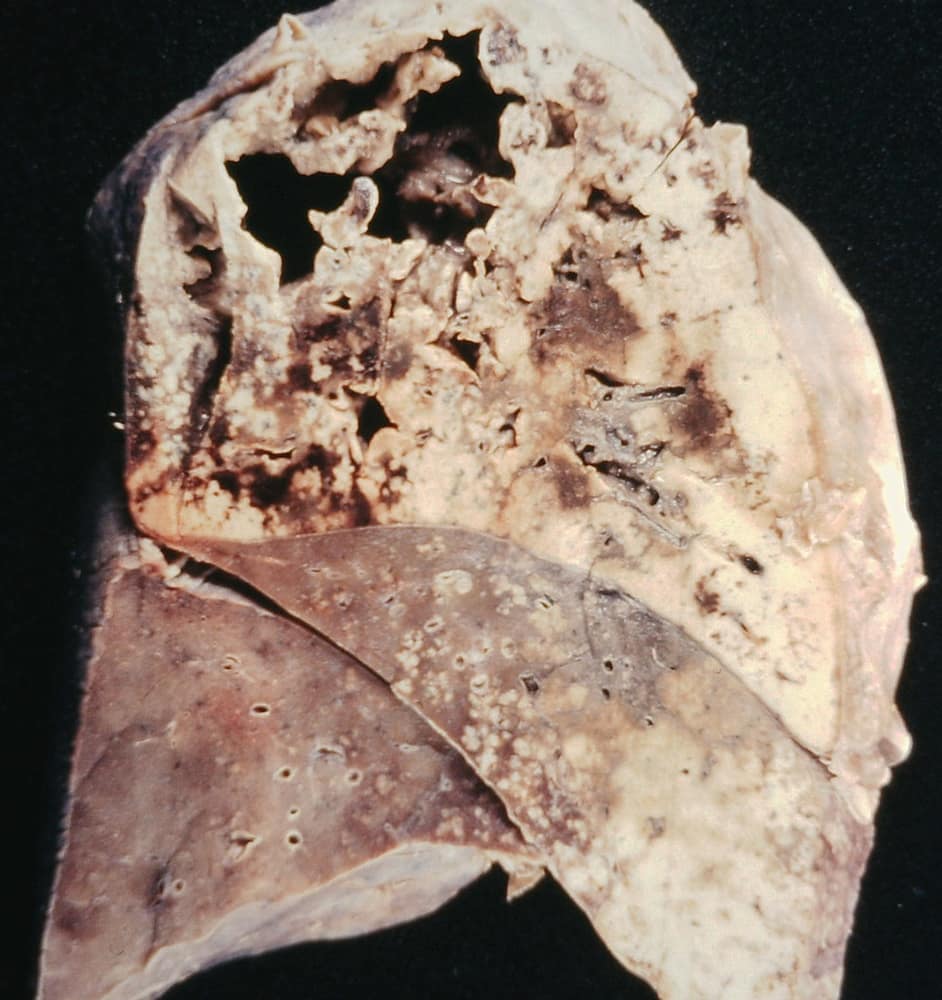
A major challenge is that TB symptoms can be mild or resemble other common problems—making them easy to overlook. Being familiar with the warning signs helps ensure timely care for yourself and those around you.
- Cough lasting three weeks or longer
- Chest pain
- Coughing up blood (may occur in some cases)
- Night sweats, which may drench clothing or sheets
- Unexplained weight loss
- Fever or chills, often occurring at night
- Loss of appetite
- Persistent fatigue or weakness
Note: Not everyone with TB will have all these symptoms. Similar signs can be caused by allergies, other infections, or even stress. But a cough that will not go away, especially combined with fever, night sweats, or chest symptoms, always justifies a discussion with a qualified healthcare provider.
Testing and Diagnosis: When to Ask About a TB Test
Although active TB cases are relatively rare in the U.S., you should consider TB testing if you:
- Have lived, worked, or traveled in areas with higher TB prevalence
- Have had close contact with someone with active TB
- Live with HIV, diabetes, or another immune-impacting condition
- Plan to begin medications that suppress immune function (including certain biologics or steroids)
Diagnosis is straightforward: skin or blood tests can identify infection, and further medical evaluation will clarify whether treatment is needed. If TB is detected, antibiotic treatment overseen by your physician can reduce the risk of progression and transmission.
Holistic Immune Support: Practical Ways to Fortify Your Defenses
Herbal and natural wellness approaches are not substitutes for medical TB treatment, but they can play a valuable role in overall immune resilience. Consider weaving these habits into daily life:
- Eat nutrient-rich meals: Prioritize vegetables, whole grains, legumes, nuts, seeds, lean proteins, and healthy fats to supply vital nutrients for immune maintenance.
- Safely support vitamin D: Some research associates vitamin D with immune response; enjoy moderate sunlight, and include foods like salmon or fortified plant-based milk. Check with your provider before supplementing, especially at higher doses.
- Explore traditional immune herbs: Garlic, astragalus, and elderberry have been valued in herbal traditions. Preliminary studies suggest potential immune-supportive benefits, but not as a replacement for TB medication. If interested, use these as part of an overall self-care plan.
- Mind-body nourishment: Mindfulness, gentle movement, and relaxation practices may help manage stress—supporting immune balance in the process.
- Prioritize sleep: Aim for 7–9 restorative hours each night, as immune function is closely tied to sleep quality.
Safety tip: Children, people who are pregnant or breastfeeding, and anyone with ongoing health conditions or medication use should consult a knowledgeable healthcare provider before starting new supplements or herbs.
Everyday Habits That Lower TB Risk and Aid Recovery
- Avoid tobacco: Quitting smoking greatly reduces the risk of TB and many other lung-related illnesses.
- Limit alcohol consumption: Heavy drinking can impair immune function and slow healing.
- Address undernutrition: Adequate, balanced meals are crucial for those at risk or in recovery.
- Stay proactive with healthcare checkups: Especially for individuals with additional risk factors or underlying medical needs.
Take Action: When to Seek Medical Advice
Empower yourself and your loved ones with knowledge—not fear. Connect with your healthcare team if you experience:
- A persistent cough for three weeks or longer
- Any mix of chest pain, fever, night sweats, blood in sputum, or unintentional weight loss
If you identify with a higher-risk group, discuss TB testing with your provider for peace of mind.
TB Awareness: Protecting Yourself and Your Community
Tuberculosis remains a global health challenge—not only a relic of the past. By staying informed, tuning into persistent symptoms, and making positive lifestyle choices, each of us helps reduce the impact of this hidden threat. Awareness is a vital first step in prevention and healing, both for ourselves and those around us.
Join the Conversation
Has your family experienced persistent cough or TB screening? What wellness practices help you feel strong? Share your story in the comments or save this article to help spread awareness where it matters.
This article is for general wellness education and is not medical advice. Talk with a qualified clinician before changing health routines, supplements, or treatments.
Related Posts

Unlocking the Hidden Flight Attendant Safety Habit: What Every Passenger Should Know
If you have ever traveled by air, you might have…
How to Clean Your Ears Safely: Break the Cotton Swab Habit
Does ear cleaning tempt you with the quick fix of…

Pig Feet Collagen: An Ancient Superfood for Skin & Joints
Ever wondered why some traditional comfort foods keep showing up…