Ever found yourself pausing at a new bruise, a strange lump, or exhaustion that refuses to budge, wondering if your body is trying to tell you something? You are certainly not alone. Our bodies send messages in whispers before they ever shout—and knowing which signals matter can help you act with confidence and care, not fear.
Reading Your Body’s Small Signals: Awareness Without Alarm
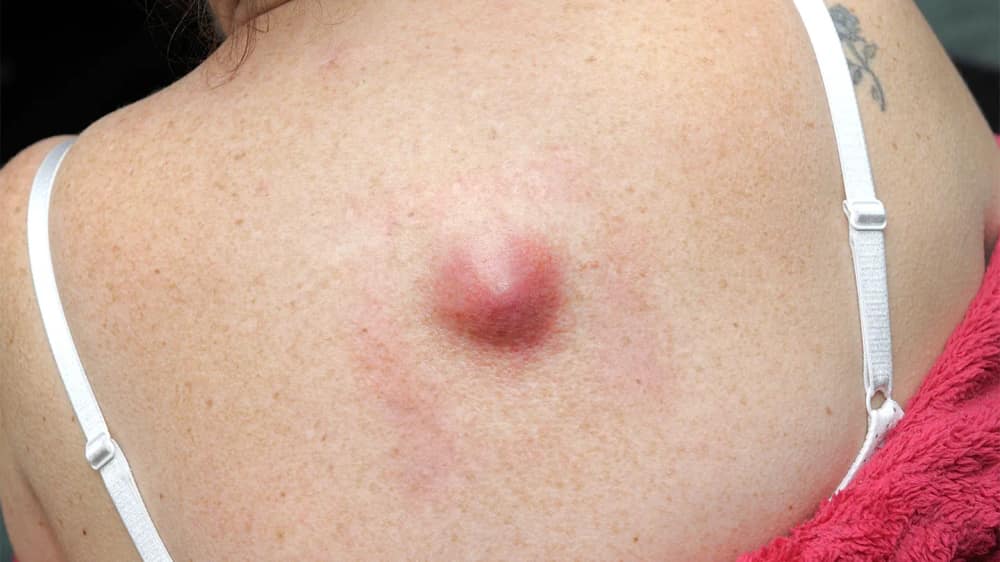
The body is a master communicator, but its signals are often subtle and easy to overlook. Most odd symptoms are harmless and temporary, yet some are meaningful messages you should not ignore. By tuning in to your body’s language—without jumping to conclusions—you set the stage for prevention, peace of mind, and truly holistic health.
Key symptoms worth paying attention to include:
- New lumps or swellings: Especially ones that last more than a few weeks without explanation.
- Frequent or severe bruising: Particularly when bruises appear in unusual spots or with minimal impact.
- Persistent, unexplained fatigue: If rest and good sleep do not restore your energy.
- Unintended weight loss: Noticing your weight drop by five percent or more over six months without trying deserves a closer look.
- Digestive changes: Ongoing nausea, pain, new difficulty swallowing, or changes in how food tastes.
- Chronic, unexplained pain: Especially in the chest, abdomen, or bones.
- New or changing moles and skin changes: Includes sores that do not heal or unexplained rashes.
- Unexpected bleeding: Bleeding from the mouth, in urine or stool, or between periods.
- Breathlessness or a chronic cough: Includes wheezing or breathlessness that does not resolve.
- Mouth or throat changes: Persistent ulcers, soreness, unusual patches, or swelling.
- Night sweats: Soaking sweats at night without an obvious cause.
- Frequent fevers or lingering infections: Infections that take too long to clear or keep coming back.
- Urinary changes: Changes in frequency, urgency, discomfort, or unusual colors.
- Numbness, tingling, or weakness: Especially if limited to one side or accompanied by speech trouble.
- Vision changes: Sudden blurriness, double vision, or loss of sight, even if brief.
- New pattern of headaches: Especially with additional neurological symptoms.
- Persistent itching or rashes: Severe or lasting skin irritation for no clear reason.
- Swelling of the limbs: Particularly if just one arm or leg is swollen, warm, or red.
- Hoarseness or lingering voice changes: Lasting more than two weeks.
- Nail changes: Such as new ridges, color shifts, or swelling near nail beds.
- Memory loss or mental confusion: Sudden onset in thinking, memory, or focus.
- Heart palpitations: Feeling your heart race or skip without cause.
- Facial, abdominal, or joint swelling: Puffiness that lingers without clear reason.
- Prolonged mood changes: Persistent anxiety or depression different from your normal self.
- Unusual thirst or hunger: Especially with frequent urination or unexplained weight swings.
Experiencing one or two of these signs does not automatically mean a serious health concern. However, recurring or worsening symptoms should prompt a check-in with your healthcare provider.
Simple Symptom Tracking: Your Self-Care Detective Tool
Keeping a basic symptom journal can make all the difference if something feels off. All you need is a notebook (or your phone). Track:
- What you noticed, and when
- How often and how long it lasts
- What makes it better or worse
- Any extra changes in your body (like sleep, appetite, or weight)
This simple record is a valuable communication tool for your doctor, helping to identify trends. It also helps you connect with your body mindfully, without developing unnecessary worry. Some people ask a close friend or partner to help them stay on track, especially if symptom neglect is a pattern.
Everyday Wellness: Building Your Body Awareness Foundation
Caring for your body is more than just reacting to symptoms—it is about supporting your whole self. A balanced, holistic routine may help you notice meaningful changes sooner and support resilience along the way. Here are practical ideas:
- Mindful check-ins: Try a daily body scan (you can find audio guides) or gentle yoga to tune into subtle sensations.
- Supportive foods: Antioxidant-rich foods—like berries, leafy greens, walnuts, and seeds—may support your body’s natural defenses. Traditional herbal teas, such as chamomile or ginger, are gentle ways to comfort an uneasy stomach (if you are not pregnant, breastfeeding, or on medication).
- Hydration habits: Drinking enough water for pale yellow urine supports all systems. If you like, herbal infusions like peppermint or nettle leaf may offer a soothing change. (Note: Nettle is traditionally used to support kidney health, but research is preliminary.)
- Rest and recovery: Listen to your body’s calls for rest. True self-care sometimes means slowing down.
- Respectful movement: Even moderate activity, like a walk outdoors, encourages circulation and self-observation. If you notice new pain or weakness, slow down and make a note.
These holistic suggestions are for general wellness support and comfort. They are not cures. If a symptom persists, worsens, or fits an urgent category, seek advice from a medical provider.
When Symptoms Need Immediate Medical Care
Certain symptoms call for help right away. Seek urgent medical attention if you have:
- Sudden weakness, numbness, difficulty speaking, or confusion (possible stroke)
- Severe, unrelenting chest pain or pressure
- Serious difficulty breathing or sudden shortness of breath
- Heavy bleeding, blood in your vomit or stool
- Fainting or new seizures
For other ongoing changes, book an appointment as soon as it is practical. Taking action early may make care more effective and less stressful—sometimes even life-saving. Your aim is to notice and respond, not to self-diagnose or worry unnecessarily.
Herbal and Natural Remedies: Guiding Principles for Safe Use
It is natural to consider gentle herbal support when new symptoms arise. Herbs like echinacea (for immune support) and peppermint tea (for soothing digestion) have a history of traditional use and are generally considered safe for short-term relief. However, herbal approaches are not standalone treatments for new or mysterious symptoms.
Before starting any herbal remedy, pause and consult your healthcare provider if you are:
- Pregnant or breastfeeding
- Giving herbs to a child
- On prescription medications
- Living with chronic health conditions
Herbs are best viewed as complements to—not replacements for—professional care and medical guidance. Use herbal support thoughtfully, and always listen for signs that mean it is time to seek further evaluation.
Fostering a Culture of Compassionate Body Awareness

Being attentive to your body is not an act of paranoia but one of empowerment and self-respect. The more we share our stories and discuss changes openly, the more we encourage proactive health and create a supportive, informed community.
Share Your Experience—And Help Others Tune In
Did you recognize any of these silent body signals in yourself or someone you love? What strategies help you stay connected to your health? Join the conversation—your story might inspire someone to seek care before a problem grows. Save or share this article as a gentle reminder: early attention makes a difference, and self-care is an act of kindness.
This article is for general wellness education and is not medical advice. Talk with a qualified clinician before changing health routines, supplements, or treatments.
Related Posts

Inside Ozempic: What Really Happens to Appetite, Digestion & Blood Sugar
If you or someone you care about is using Ozempic,…
Could Alzheimer’s-Linked Proteins Transfer in Blood? The Latest Insights
For most of us, blood transfusions symbolize healing — an…
10 Subtle Breast Changes: What to Notice Early On
Have you ever caught a glimpse of your breasts in…