Do you curl up snugly every night, spread out like a starfish, or drift off lying perfectly still? Few of us pay much attention to our favorite sleep position, but the way you naturally settle in could offer more than physical comfort—it might hint at your inner world.
While there’s no definitive science linking posture to personality, sleep researchers and holistic wellness experts agree that our sleep style often reflects deep-seated needs, emotional patterns, and even the ways we protect or nurture ourselves. Think of it as an invitation for gentle curiosity—a playful lens, not a diagnosis—to better understand yourself and your unique approach to relaxation.
Why Do We Favor Certain Sleep Positions?
Over time, most people develop a preferred way to fall asleep. Our go-to sleeping posture is influenced by physical comfort, past routines, and sometimes even our mood or stress level. If you notice that you return to one position night after night, you are not alone—these habits can become so ingrained that they feel almost instinctive.
Experts suggest that childhood sleep routines, emotional drivers, and even unconscious self-soothing behaviors play a role. While the link between personality and sleep style is largely anecdotal, many find these classic sleep positions offer insight—and a great icebreaker for wellness conversations.
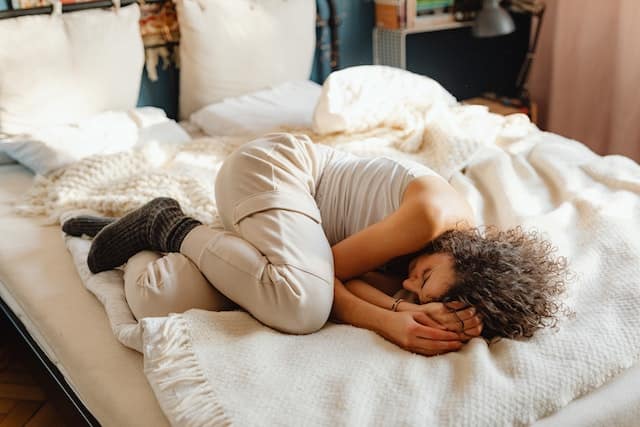
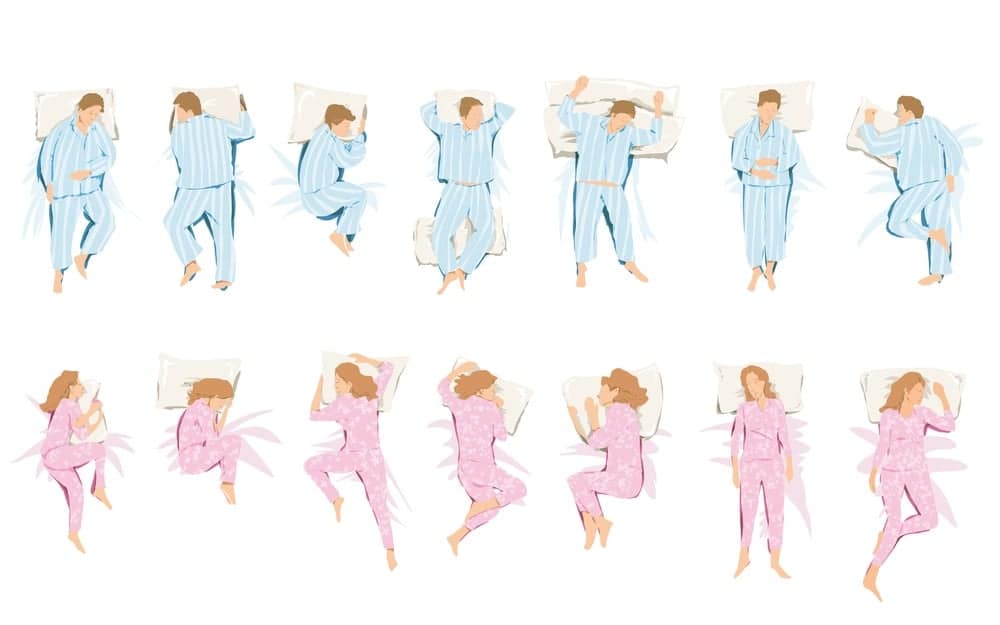
Six Common Sleep Positions and Their Symbolic Meanings
1. Fetal Position
Sleeping curled tightly on your side, knees up and arms in, is the world’s most common sleep style. People drawn to the fetal position are often described as having a gentle, sensitive core protected by a resilient outer shell. This position can reflect a need for coziness, warmth, and emotional security. If this is your natural posture, self-compassion and nurturing rituals may be especially energizing for you.
- Wellness suggestion: Place a pillow between your knees to help align your hips and ease lower back tension.
- Herbal ritual: Try a calming cup of chamomile or passionflower tea before bedtime (check with a practitioner if pregnant, breastfeeding, or on medication).
2. The Log
Do you rest on your side with arms and legs straight, body stretched out? This is the “log” position. Sleep folklore suggests log sleepers are sociable, easy-going, and trusting. You may seek stability and enjoy keeping life simple—though it’s helpful to stay mindful of your boundaries, as a trusting nature can sometimes lead to overcommitment.
- Lifestyle tip: Evening side stretches or gentle yoga can support spinal alignment and ensure comfort through the night.
3. The Yearner
Lying on your side with both arms reaching forward? Yearners are thought to be open-minded and adventurous, always extending themselves toward new goals or experiences. If this describes you, you might struggle with indecision from time to time—pausing before making choices. Set aside a few minutes each night to reflect and release mental clutter.
- Mindfulness idea: Keep a journal by the bed to jot down lingering thoughts or plans, helping calm the mind before rest.
4. The Soldier
Lying flat on your back with arms by your sides is known as the “soldier” position. This style has been linked in traditional interpretations to discipline, preference for order, and a reserved nature. Back sleepers may value structure and reliability—yet it’s important to note that back-sleeping can elevate snoring or worsen sleep apnea in some individuals.
- Self-care: A light, evenly distributed weighted blanket could provide security, but should be avoided by those with certain respiratory or mobility limitations. Consult a healthcare provider if you have concerns.
5. The Starfish
Do you sprawl on your back, arms up and legs spread out? Starfish sleepers are associated with generosity and a willingness to help others, often the friends everyone turns to. This open posture indicates comfort with vulnerability, but sometimes leads to back or neck tension.
- Evening ritual: Maintain good sleep hygiene: keep the environment screen-free, dim the lights, and try diffusing lavender essential oil (never apply undiluted directly to your skin).
- Comfort hack: Place a pillow under your knees if you experience back strain, or speak with your provider if you snore or suspect sleep apnea.
6. The Freefaller
If you sleep on your stomach, arms wrapped around the pillow or extended overhead, you’re a “freefaller.” This position is said to belong to people who value freedom, take-charge energy, and directness—with a dash of playfulness. However, stomach-sleeping can strain the back and neck.
- Body comfort: Tuck a small, flat pillow beneath your hips to relieve strain on your lower back.
- Movement suggestion: Greet your mornings with gentle spine stretches or restorative yoga, like child’s pose, to reset after the night.
Practical Self-Care for Every Sleep Style
Ultimately, the best sleep position is the one that feels both restorative and pain-free for you. Your sleep style may change over time—especially through big life transitions or with a new mattress or pillow. Use your favorite posture as a guide to nurture deeper rest and cultivate consistent, calming routines.
Here are holistic habits that benefit all sleepers:
- Create a sleep-friendly environment: reserve your bed for rest and intimacy, not electronics or work.
- Wind down at night with mindful rituals—herbal teas, gentle music, or guided meditation.
- Let natural sunlight signal your body to wake in the morning whenever possible.
- Adjust pillows and mattress to support your posture and minimize discomfort—consult your provider if persistent pain or disrupted sleep occurs.
When to Pay Closer Attention to Sleep Posture
Most healthy adults can trust their body’s guidance on sleep position, but some situations call for extra mindfulness:
- Pregnant individuals: Left-side sleeping is generally encouraged for circulation—especially in the later months. Always defer to medical guidance.
- Sleep apnea, acid reflux, or chronic pain: Certain positions may aggravate symptoms. Work with a healthcare provider to identify an approach that supports restful, safe sleep.
- Children: Sleep habits evolve as kids grow. Ensure a safe, comfortable sleep surface and adjust support as needed.
Final Thoughts: Embrace Your Natural Sleep Style
Your sleeping position may not reveal all the mysteries of your personality, but observing your nighttime habits is a gentle act of self-awareness. Share these insights with loved ones, try a new self-care ritual inspired by your preferred pose, or simply reflect on what helps you feel most at ease.
Which sleep position feels most like you? Save this guide, share it with a friend, or start a conversation about what helps you rest well.
This article is for general wellness education and is not medical advice. Talk with a qualified clinician before changing health routines, supplements, or treatments.
Related Posts

How to Clean Your Ears Safely: Break the Cotton Swab Habit
Does ear cleaning tempt you with the quick fix of…

Pig Feet Collagen: An Ancient Superfood for Skin & Joints
Ever wondered why some traditional comfort foods keep showing up…

Inside Ozempic: What Really Happens to Appetite, Digestion & Blood Sugar
If you or someone you care about is using Ozempic,…