For most of us, blood transfusions symbolize healing — an act of lifesaving generosity and routine medical care. Yet, a new conversation has quietly begun in the medical world: can blood carry more than nutrients and cells? Specifically, could it transport the unique proteins linked to Alzheimer’s disease, and if so, should we be worried?
Emerging research is starting to explore whether disease-associated proteins might, in rare cases, move from donor to recipient in medical settings. Though the science is still developing, these questions invite all of us to rethink how we approach brain health, blood safety, and our own daily habits for cognitive well-being.
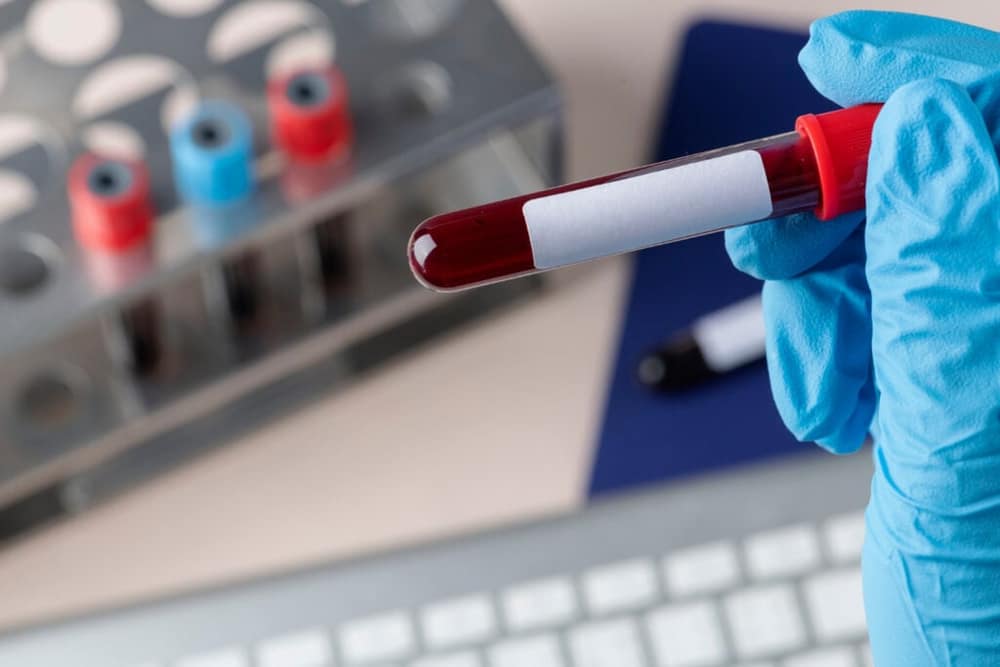
Is Alzheimer’s About More Than Genes and Aging?
Alzheimer’s disease is most often associated with getting older or with genetics — but that’s not the full picture. While family history and age are major risk factors, scientists also study lifestyle, environmental, and biological contributors to its development. Traditionally, prevention advice includes staying mentally active, eating a wholesome diet, exercising, and managing underlying conditions, but might there be more?
Increasingly, attention is focused on amyloid-beta, a protein fragment that can form sticky clumps in the brains of those with Alzheimer’s. Some studies now propose that amyloid-beta might act a bit like prions — rare, infectious misfolded proteins that can “seed” harmful changes in other proteins. This raises the theoretical, not proven, possibility that amyloid-beta could move between people during certain medical procedures.
Here’s what’s crucial: there’s no evidence Alzheimer’s can be passed through ordinary contact, family caregiving, or daily life. The only research raising questions relates to complex medical interventions, not to casual exposure.
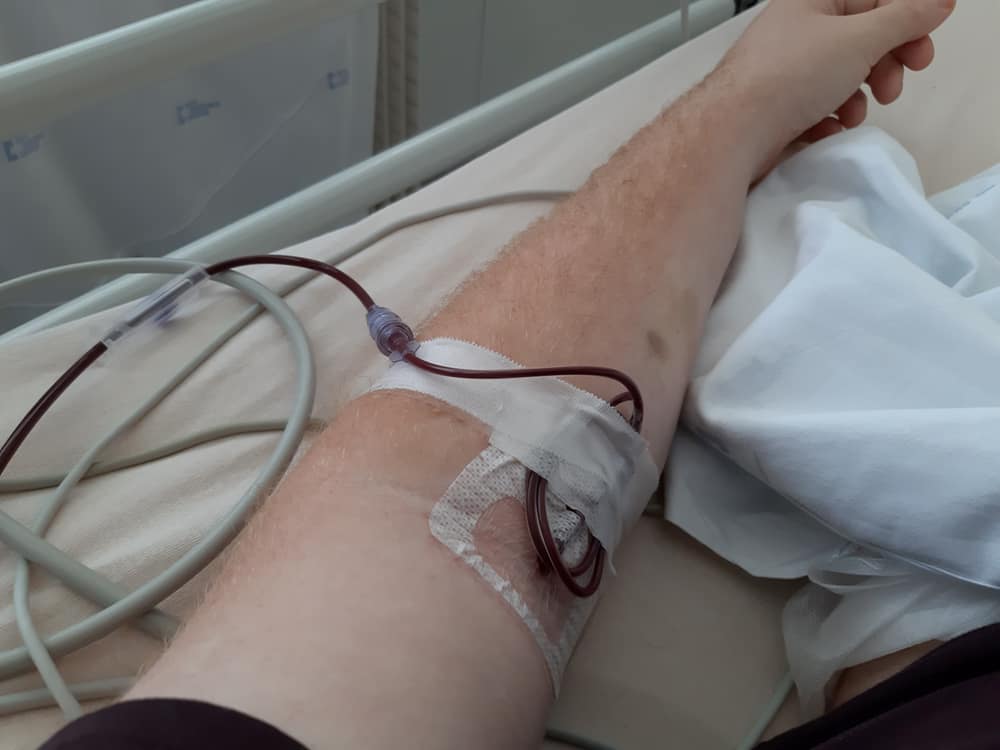
The Blood Transfusion Question: Should We Be Concerned?
Recently, scientists in Sweden and Denmark analyzed large health databases and spotted an intriguing pattern. People who received blood from donors who later suffered unexplained brain bleeds (intracerebral hemorrhage) appeared more likely to develop similar bleeds themselves — sometimes many years after the transfusion.
Why is this interesting? One cause of these brain bleeds is cerebral amyloid angiopathy (CAA), a condition driven by amyloid-beta build-up in brain blood vessels. While CAA is not identical to Alzheimer’s, both involve this specific protein formation.
- Researchers are now asking: could blood transfusions — however rarely — transfer early amyloid-beta “seeds” long before any disease presents?
- This finding does not confirm that Alzheimer’s is transmissible. The evidence points only to a possible association, not a certainty or direct cause.
Scientific Perspective: Context and Caution
What are experts advising? Leading neurologists and scientists urge the public and healthcare providers to remain calm and rational. A review published in The Lancet stated that while such findings justify ongoing research, actual risk remains unknown. Here are the main takeaways from recent discussions:
- Further research is needed. Long-term studies like those from Scandinavian countries are vital to clarify any true risk.
- Extra watchfulness for those who have frequent transfusions. People with chronic conditions may, in theory, have more exposure, and should be studied in greater detail.
- Improving donor screening methods. Scientists are investigating whether future blood tests could spot signs of amyloid-beta pathology in donors.
The consensus is strong: current data only hints at a theoretical risk, not a proven threat. No medical guidelines advise refusing necessary transfusions based on these early findings.
Understanding the Bigger Picture
History reminds us to balance vigilance with perspective. Acting too slowly on risk can delay public health progress, yet overreacting to preliminary evidence can unnecessarily deter people from giving or receiving blood—a critical, often lifesaving act. The best path is transparent communication, a commitment to follow evolving science, and avoiding panic.
Everyday Brain Wellness: Holistic Steps That Matter
So, what actionable wisdom can you take from this research? For most people, the possibility of acquiring Alzheimer’s-related proteins through a blood transfusion is vanishingly small, if it exists at all. Medical necessity always takes precedence, and transfusions remain vital and safe for those who need them.
However, your personal power lies in routine habits that nourish brain health across a lifetime. Here are some holistic steps, backed by traditional wisdom and emerging evidence:
- Colorful, plant-rich diet: Choose Mediterranean-style meals featuring leafy greens, berries, olive oil, walnuts, and omega-3-rich fish. Long-term studies connect this pattern with better cognition.
- Culinary herbs for support: Herbs like rosemary, sage, and turmeric have roots in ancient memory remedies and early research hints at anti-inflammatory roles. Use as seasonings in food or teas, and seek professional advice before using concentrated supplements, especially if on medication or managing health conditions.
- Move your body: Moderate aerobic activities — walking, dancing, cycling, swimming — have strong links to reduced dementia risk and promote healthy brain blood flow.
- Prioritize deep sleep: Quality sleep supports your brain’s natural cleanup of toxins, including amyloid-beta. Make bedtime restful: limit screen use, keep a consistent schedule, and discuss sleep concerns with your provider.
- Mindfulness matters: Relaxation practices — such as deep breathing, gentle yoga, or meditation — lower stress and may help with mood, focus, and resilience.
- Stay connected: Meaningful social bonds stimulate the mind and can help reduce cognitive decline over time.
- Manage metabolic health: Keep blood pressure, cholesterol, and blood sugar in check; these factors strongly impact brain aging.
Safety tip: If you are pregnant, breastfeeding, caring for children, or living with chronic illness, consult a knowledgeable healthcare provider before making significant changes to food, herb, or wellness routines.
The Road Ahead: Research and Hope
The science of Alzheimer’s and blood transfusion risk continues to evolve. New studies, improved donor screening, and advanced research may soon bring greater clarity and peace of mind. For now, rest assured: evidence does not support shunning blood transfusions or donating blood based on these concerns.
Ultimately, these discoveries highlight the power of day-to-day wellness — and the profound value of small, consistent habits in protecting your mind for years to come.
Share Knowledge, Empower Others
If this article offered you new insights, please share it with a friend or save it for your own reference. Have personal tips or questions about brain health? Join the conversation below—your voice matters!
This article is for general wellness education and is not medical advice. Talk with a qualified clinician before changing health routines, supplements, or treatments.
Related Posts

Tuberculosis: The Overlooked Infectious Disease Still Claiming Lives
Imagine this: you have a cough that lingers week after…

Pig Feet Collagen: An Ancient Superfood for Skin & Joints
Ever wondered why some traditional comfort foods keep showing up…

How to Clean Your Ears Safely: Break the Cotton Swab Habit
Does ear cleaning tempt you with the quick fix of…