Ever encountered a jet-black drink so striking you hesitated to take a sip? Most of us instinctively distrust foods that look unusual—but sometimes, the most unexpected ingredients can bring surprising comfort. Welcome to the world of Black Milk: a deep-black beverage combining activated charcoal with time-tested herbs, all designed to help ease occasional digestive discomfort. While this isn’t your daily latte, it may become a recipe you want to keep on hand for moments when your gut needs gentle support.
What Exactly Is Activated Charcoal Black Milk?
Despite its bold color, Black Milk is a simple blend—with activated charcoal providing its distinctive inky hue, and soothing herbs like marshmallow root and cinnamon layered in for added digestive benefits. Think of it as a modern riff on old-world remedies, merging herbal tradition with a wellness trend that is both practical and grounded in cautious science.

Let’s take a closer look at the three key ingredients and the roles they may play in digestive comfort.
Activated Charcoal: The Binding Ally
Made from carbon-rich materials (such as coconut shells or wood) processed at high heat, activated charcoal is famed for its extensive network of pores. These pores don’t absorb, but rather adsorb—meaning they attract and hold onto certain substances. In clinical settings, activated charcoal is used to manage specific types of poisoning, but in holistic wellness, it’s turned to for its potential to:
- Reduce occasional bloating and gas after heavy meals
- Help with a sense of fullness or mild discomfort
The evidence for these benefits is still emerging and significantly more limited than for charcoal’s medical uses. Herbalists use it thoughtfully, never as an everyday supplement, but as a tool for the occasional digestive slump.
Marshmallow Root: A Traditional Soother for the Gut
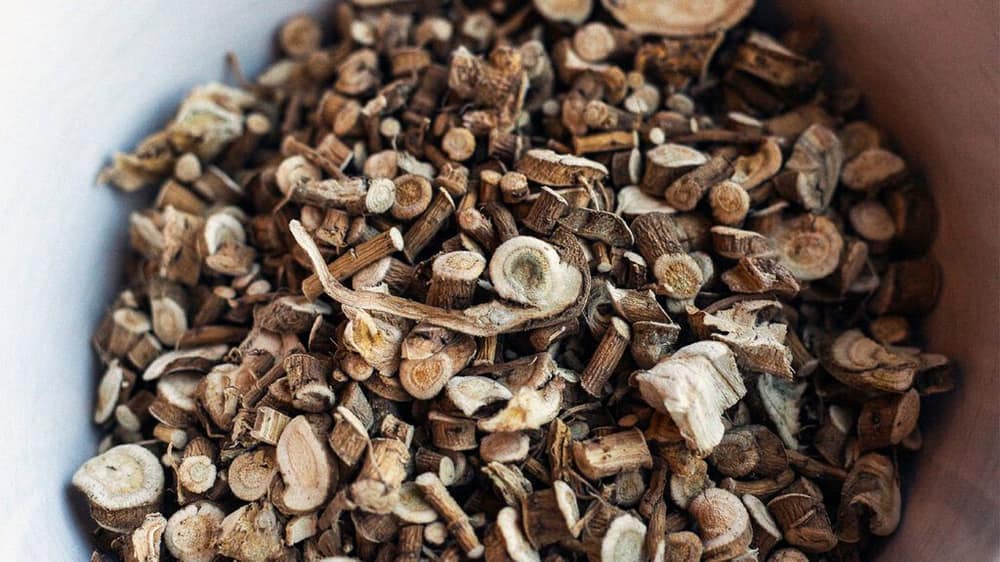
Centuries of herbal wisdom celebrate marshmallow root (Althaea officinalis) for its ability to calm irritated tissues. The root is rich in mucilage—natural plant compounds that turn into a slippery gel when soaked in water. This makes it especially appreciated for:
- Mild digestive upset
- Soothing an irritated throat or gut lining
Though modern clinical research is limited, marshmallow root’s gentle history and food-like safety profile shine in herbal digestive blends.
Cinnamon: Warming Spice With Gut and Brain Appeal
A beloved kitchen staple, cinnamon provides more than flavor. Traditionally, it supports digestion by easing feelings of gas and bloating. Scientific curiosity continues to grow around cinnamon’s antioxidant and potential brain-supportive properties, highlighting the interconnectedness between gut and mental wellness—sometimes called the “gut-brain axis.” In Black Milk, it adds both taste and a gentle warming touch.
How to Make Black Milk: A Digestive Tonic You Can Try at Home
No elaborate ingredients needed—just a few pantry staples and mindful preparation. Here is a safe, approachable recipe for Black Milk:
Step 1: Marshmallow Root Cold Infusion
- Add 1–2 teaspoons dried marshmallow root to about 1/2 cup cool, filtered water.
- Allow it to steep in the refrigerator for several hours or overnight.
- Strain. The resulting liquid will be slightly thick, offering a gentle comforting texture for your digestive system.
Step 2: Blend Your Black Milk
- In a glass, combine:
- 1 cup milk (dairy or plant-based alternative)
- 1/2 teaspoon food-grade activated charcoal powder
- 1–2 tablespoons marshmallow root infusion
- 1/4–1/2 teaspoon ground cinnamon or a cinnamon stick
- Optional: honey or maple syrup for sweetness
- Mix thoroughly. You’ll get a visually dramatic, creamy drink.
How and When to Enjoy Black Milk
Sip Black Milk slowly, ideally after a heavy or particularly rich meal, or whenever you notice mild bloating or sluggishness. This drink is best enjoyed occasionally, not daily. Listen to your body and use it as a gentle, supportive option within a balanced approach to wellness.
Staying Safe: What to Know Before You Try It
- Activated charcoal can bind to medications, reducing their effectiveness. Wait at least 2 hours after any prescription or over-the-counter medicine (including supplements) before drinking Black Milk.
- Not safe for those who are pregnant or breastfeeding, children, or individuals with chronic digestive disorders or slow gut transit, unless supervised by a qualified professional.
- Avoid if you have a history of intestinal obstruction or trouble with regular bowel movements.
- Use only food-grade activated charcoal. Never use charcoal meant for grilling or industrial uses.
- Consult a healthcare provider or experienced herbalist before adding new herbal or charcoal-based drinks to your regimen, especially if you take regular medications or have ongoing health conditions.
Holistic Habits for Everyday Digestive Wellness
While Black Milk adds variety to your herbal toolkit, everyday gut resilience starts with small, consistent choices. Consider:
- Including fiber-rich fruits, vegetables, and whole grains to feed beneficial gut microbes
- Drinking plenty of water for healthy digestion
- Eating mindfully—slow down and chew food well
- Sipping herbal teas like ginger or chamomile for gentle support
- Managing stress through mindful movement or relaxation techniques to nurture the gut-brain connection
These lifestyle basics, paired with occasional use of remedies like Black Milk, help promote a more comfortable and balanced digestive experience.
Share Your Thoughts and Save for Later
Are you intrigued to give Black Milk a whirl—or do you have your own trusted herbal digestive routine? Save this guide for future reference, share it with a friend, or join the conversation in your favorite wellness space. Your journey with herbs and holistic self-care is uniquely your own.
This article is for general wellness education and is not medical advice. Talk with a qualified clinician before changing health routines, supplements, or treatments.
Related Posts

Tuberculosis: The Overlooked Infectious Disease Still Claiming Lives
Imagine this: you have a cough that lingers week after…

Inside Ozempic: What Really Happens to Appetite, Digestion & Blood Sugar
If you or someone you care about is using Ozempic,…

Unlocking the Wild Wellness Benefits of Bull Thistle Flower Heads
Ever glanced at a patch of thorny thistles and immediately…