Not long ago, a heart attack was seen as a bolt from the blue—a crisis that could upend lives with little warning. In 1955, when President Dwight Eisenhower suffered a heart attack in office, his recovery captivated and unsettled the nation. Many wondered: Could this devastating event have been avoided?
Since then, rapid advances in medicine and a renewed appreciation for holistic self-care have forever changed our relationship to heart disease. Today, with help from laboratory breakthroughs and centuries-old lifestyle wisdom, we know far more about what keeps the heart resilient—and how each of us can play an active role in prevention.
The Turning Point: When Science Explored the Causes
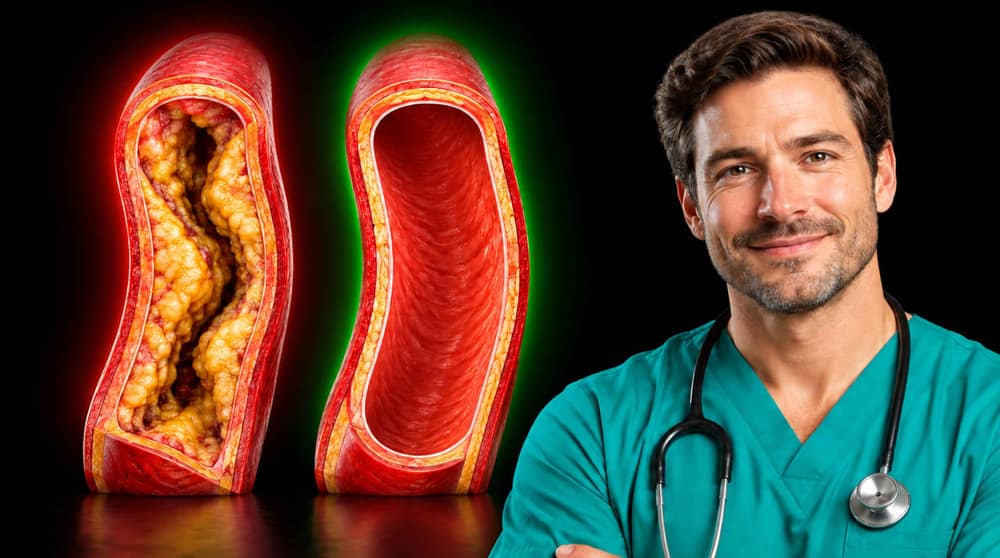
For generations, heart attacks felt unpredictable. But in the mid-20th century, clinicians and researchers began to spot patterns and suspected that daily habits could influence risk. When President Eisenhower’s doctors connected diet, tobacco use, and physical activity with heart health, it launched decades of research that pieced together the puzzle of heart disease—one discovery at a time.
Here is how that story unfolded, and what it means for you today.
Understanding Heart Attack Triggers: The Major Risk Factors
Researchers gradually identified several major contributors to heart attack risk, now widely recognized as modifiable through lifestyle and, in some cases, medical support:
- Smoking: Smoking damages blood vessels and speeds up plaque buildup, making it one of the most well-established risk factors for heart disease. When smoking rates decreased, heart attack rates did too.
- High Blood Pressure: Elevated blood pressure strains the heart and vessels, increasing risk for heart attack and stroke. Evidence supports aiming for a systolic pressure below 120 mmHg for many people, though targets should be personalized.
- Unhealthy Diet: Diets rich in whole, plant-based foods and healthy fats (like olive oil and fatty fish) and low in highly processed foods have repeatedly shown heart benefits. The Mediterranean diet is especially noteworthy, demonstrating protective effects in clinical trials.
- Obesity and Diabetes: Excess weight and insulin resistance place a burden on the heart. Recent medical advances are creating fresh opportunities to tackle these risks.
- High Cholesterol: High LDL (“bad”) cholesterol, along with other apoB lipoproteins, directly increases the risk of artery blockages. Lowering cholesterol remains a key strategy in prevention.
Importantly, not everyone at risk experiences all of these factors—prompting a search for deeper insights and new solutions.
Modern Prevention: Medical Breakthroughs Change the Game
Recent years have ushered in powerful new tools that help manage underlying risks, combining technology with observations from the natural world.
GLP-1 Medications: From Lizard Biology to Human Discovery
Sometimes, innovation comes from unexpected places. Scientists studying the Gila monster—a reptile able to regulate blood sugar despite feast-or-famine eating patterns—discovered a protein in its venom that inspired a new class of medications: GLP-1 receptor agonists. Originally designed for diabetes, these medicines have also made headlines for their impact on heart health and weight loss.
- Evidence in action: Large clinical trials (such as SELECT in 2023) found that semaglutide, a GLP-1 medication, lowered the risk of heart attacks and strokes in people with heart disease and higher body weight—even those without diabetes.
- Emerging options: Newer medications in this class, such as tirzepatide, are helping more people manage weight and metabolic health. These treatments should be used under doctor supervision and are best suited to those at higher risk based on individual health profiles.
Traditional wisdom: Herbalists have long turned to plants like cinnamon, bitter melon, and gymnema for supporting balanced blood sugar. While intriguing, these remedies should be viewed as complementary and discussed with your healthcare provider—especially if you take medications or live with chronic conditions.
Cholesterol Control: Lower Is Better, With Modern Options
Decades of research have settled the debate: reducing LDL cholesterol is a reliable way to lower heart risk. Individuals born with genetic mutations that keep cholesterol low rarely suffer heart attacks, and research has not revealed harms to cognition or function at such levels.
- Statins are still the cornerstone for cholesterol management, but if side effects occur—or more reduction is needed—new options exist.
- PCSK9 inhibitors powerfully lower LDL and are now available as injections, with a once-daily pill (enlicitide, name Lipfendra) expected to offer a simpler alternative soon. This class is especially helpful for people unable to reach targets with statins or lifestyle changes alone. All medications should be discussed and prescribed by your healthcare provider.
Holistic Heart Defense: Lifestyle Is Powerful
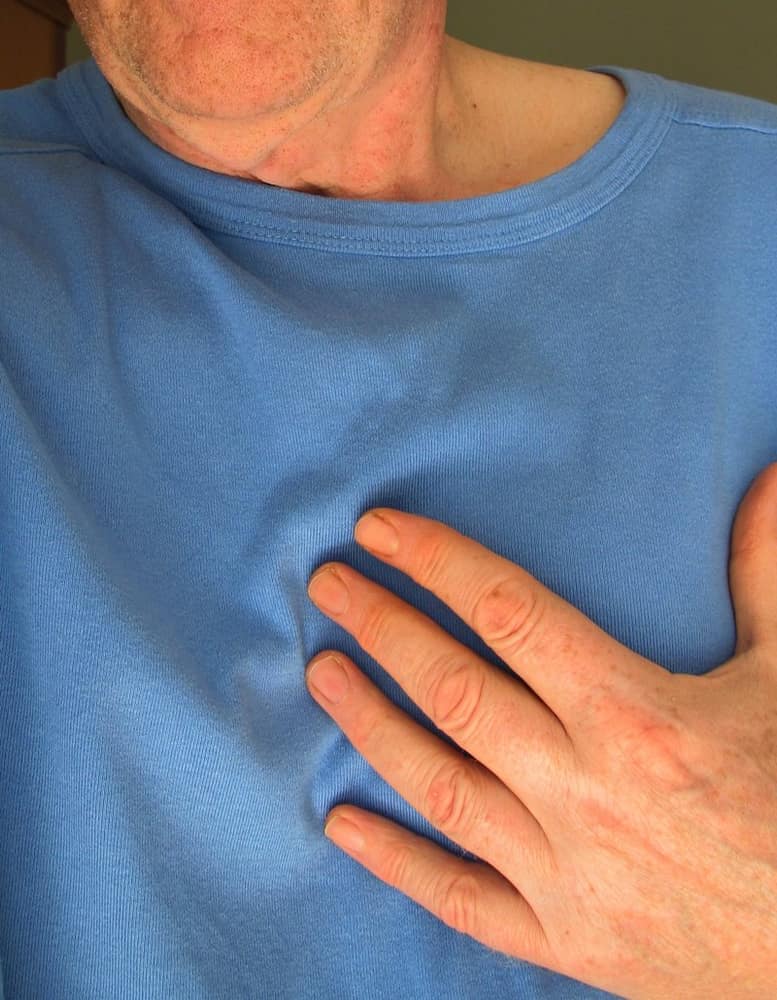
While medical advances are groundbreaking, the foundation of heart health is still built on daily rituals and mindful choices. Holistic approaches can amplify the effect of medical therapy, and in many cases, are safe for most people.
- Eat vibrantly: Emphasize vegetables, legumes, whole grains, fresh herbs, berries, olive oil, avocados, nuts, seeds, fish, and moderate dairy. Garlic and turmeric, both celebrated in traditional medicine, can be flavorful additions but are not replacements for medication or medical care.
- Keep moving: Find joyful movement that fits your daily routine—walking, swimming, gardening, gentle stretching, or dancing all count. Even several 10-minute sessions per day can help reduce inflammation, improve metabolism, and support heart health.
- Manage stress mindfully: Breathing techniques, meditation, yoga, or simply spending time in nature help lower stress hormones and can support healthy blood pressure. Regular, restorative sleep also gives the body time to heal and recharge.
- Avoid tobacco and limit alcohol: Quitting smoking is one of the strongest actions for preventing heart disease. Alcohol, if consumed, should be limited to moderate amounts—or avoided altogether, based on your health profile.
Who Should Be Especially Careful?
Even natural or well-being focused practices may not be right for everyone. People who are pregnant or breastfeeding, children, those taking medication, or anyone with a chronic health condition should always consult their medical provider before starting supplements or making major lifestyle changes.
The Future of Heart Health: Knowledge, Action, and Hope
Today, few health events are as preventable as heart attacks, thanks to decades of scientific inquiry and a renewed focus on holistic living. The keys to prevention lie in informed choices—whether that means quitting smoking, embracing nourishing foods, moving more, practicing stress management, or considering new medications under medical supervision.
Your story matters: Share this article with someone you love, bookmark it for later, or start a conversation about heart health with your community. Small actions, shared knowledge, and a balanced approach can help protect hearts now and for generations to come.
This article is for general wellness education and is not medical advice. Talk with a qualified clinician before changing health routines, supplements, or treatments.
Related Posts

Unlocking the Hidden Flight Attendant Safety Habit: What Every Passenger Should Know
If you have ever traveled by air, you might have…
Tuberculosis: The Overlooked Infectious Disease Still Claiming Lives
Imagine this: you have a cough that lingers week after…

Pig Feet Collagen: An Ancient Superfood for Skin & Joints
Ever wondered why some traditional comfort foods keep showing up…