Ever glanced at a patch of thorny thistles and immediately dismissed them as garden nuisances? If so, you’re in good company—but you may be overlooking a botanical treasure waiting to be discovered. The striking purple crown of the bull thistle (Cirsium vulgare) rises above the field not just as a wild ornament, but as a source of surprising possibilities for the adventurous forager, the wild foods enthusiast, or anyone exploring holistic wellness.
The Quiet Power Inside Bull Thistle Flower Heads
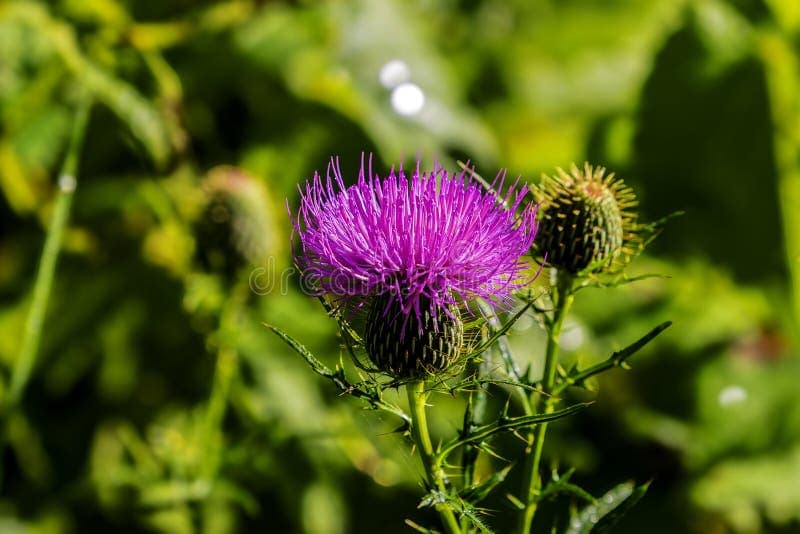
At first touch—or prick—you’ll know the bull thistle means business. Yet beneath its spiky armor, the flower head conceals a fascinating structure, praised in folk traditions and recognized by naturalists for practical, wellness-inspired uses. Let’s explore what’s inside and how to unlock these benefits safely at home.
Anatomy: More Than Meets the Eye
The bull thistle flower head is a complex, layered assembly. Understanding its parts helps reveal its value:
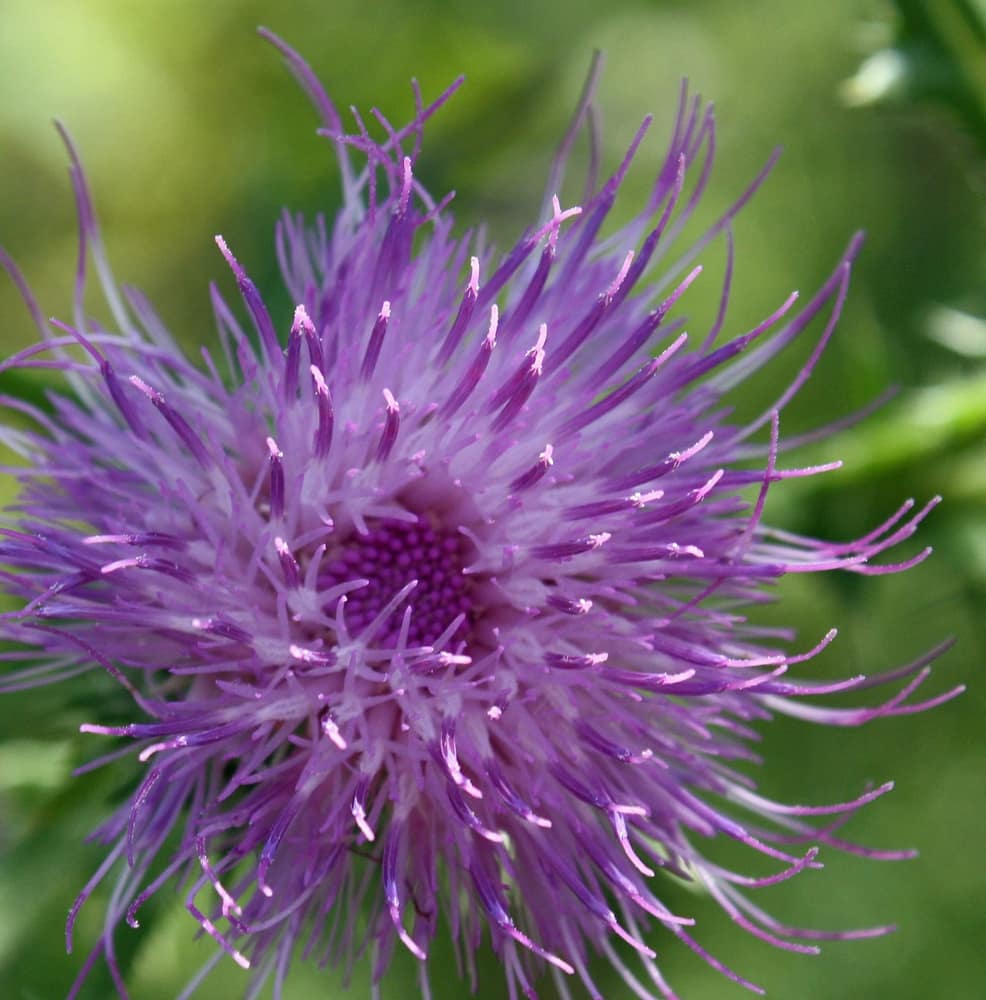
- Florets: The soft tufts of purple or pink at the crown are rich in pollen and attract pollinators. They contain plant pigments and antioxidants.
- Involucre: The green, spined casing beneath the florets is nature’s protective shield—handle with care.
- Receptacle: At the core lies a firm, edible base, reminiscent in taste and texture to a petite artichoke heart.
Nutritional & Traditional Topical Benefits
Bull thistle’s reputation among herbalists and foragers includes:
- Natural Astringency: Traditionally, infusions have been used as gentle skin toners, offering a crisp, mild tightening effect thanks to natural tannins.
- Dietary Prebiotics: The core (receptacle) supplies inulin, a soluble fiber that can serve as a prebiotic, promoting a healthy gut ecosystem.
- Antioxidant Offerings: The richly colored florets are a source of flavonoids and other protective plant compounds known to support cell health.
How to Harvest Bull Thistle Flower Heads With Care
To enjoy any of bull thistle’s benefits, safe and thoughtful harvesting is essential. Here’s how to approach the process:
- Glove Up: Thick garden gloves are non-negotiable for protecting against sharp spines.
- Use Sturdy Tools: Heavy-duty shears or scissors make snipping flower heads—just below their base—both easier and safer.
- Pick at Peak Freshness: Seek vibrant, open, purple-topped flower heads. Skip those turning brown or displaying fluffy white seeds.
With these simple precautions, foraging transforms from prickly chore to rewarding, hands-on nature therapy.
Creative Ways to Use Bull Thistle Flower Heads at Home
No fancy equipment needed—bull thistle’s wellness potential can be unlocked in any kitchen. Explore these time-honored, practical uses:
1. Bull Thistle Herbal Tea
Carefully pluck the pliant purple florets and dry them in a single layer away from direct sun. Infuse a teaspoon of dried florets in hot water for 10 minutes to yield a mild, earthy tea—a simple tradition used to soothe digestion and offer gentle plant-based antioxidant support. Enjoy plain or with a touch of honey.
2. Nourishing Oil Infusion for Skin Soothing
If DIY skincare appeals, cover fresh (cleaned) flower heads—florets and involucre included—in a gentle oil like olive or sweet almond inside a sterilized jar. Place on a sunny windowsill for four to six weeks, shaking gently every few days. After straining thoroughly, you’ll have a delicately scented oil with mild astringent properties, ideal for occasional use on dry or mildly irritated skin. As with any skincare, patch test first and avoid applying to open wounds or broken skin.
3. Concentrated Herbal Tincture
For the experienced home herbalist, chopped flower heads can be steeped in high-proof, food-grade clear alcohol. This traditional method requires about a month of infusing, with periodic shaking. Strain and store securely. If considering internal use, always consult with a qualified herbal practitioner first, and use only in very small, diluted amounts if appropriate for your situation.
4. Foraged Edible: Thistle “Artichoke”
With dedication and careful cleaning, the firm central base or receptacle can be prepared much like its cousin, the artichoke. Remove all spiny outer leaves while wearing gloves, scoop out the inner fuzz, then boil or steam until soft. The cooked base can be enjoyed on its own or with a drizzle of olive oil and a pinch of sea salt, offering a source of prebiotic fiber and a new twist on wild foods.
Ethical Foraging and Important Safety Tips
Bull thistle brings the wild to your kitchen, but a respectful approach is key. Keep these best practices in mind:
- Confident Identification: Only pick plants you’re completely sure of. If unsure, consult with an experienced forager or use a trusted field guide.
- Watch for Sensitivity: Rarely, skin irritation may occur. Discontinue topical or internal use if any adverse reactions develop.
- Special Precautions: Those who are pregnant, breastfeeding, taking medications, managing chronic conditions, or preparing foods or remedies for children should check with a knowledgeable healthcare provider before using wild thistle internally or topically.
- Not a Medical Treatment: Bull thistle recipes and infusions are not substitutes for professional care. Enjoy them as a mindful addition to wellness routines.
Rediscovering the Wild: Welcoming Bull Thistle Into Your Routine
Beneath their untamed appearance, bull thistle flower heads offer a world of edible, herbal, and creative opportunities. Whether enjoyed as a gentle tea, a soothing body oil, or a wild-foraged artichoke alternative, these blooms remind us of the hidden gifts thriving in nature’s most unexpected places.
Have you experimented with wild thistles or other foraged plants? Share your favorite discoveries below—or save this guide for your next nature walk, and inspire a friend with the hidden promise of the wild side of wellness!
This article is for general wellness education and is not medical advice. Talk with a qualified clinician before changing health routines, supplements, or treatments.
Related Posts

What Your Sleep Position Says About You: Surprising Connections & Wellness Tips
Do you curl up snugly every night, spread out like…

Could Alzheimer’s-Linked Proteins Transfer in Blood? The Latest Insights
For most of us, blood transfusions symbolize healing — an…
10 Subtle Breast Changes: What to Notice Early On
Have you ever caught a glimpse of your breasts in…