Have you ever caught a glimpse of your breasts in the mirror or brushed your hand against your chest and paused, wondering if what you noticed is normal? If so, you are far from alone. Many people feel uncertain about what changes are typical, which ones could signal trouble, and when it’s worth checking in with a professional. With breast cancer being one of the most common cancers worldwide, developing breast awareness—without anxiety—can empower you to look after your health. Here are 10 subtle breast changes worth knowing, plus gentle, holistic guidance for staying connected to your body.
Understanding Early Breast Changes: Why Awareness Matters
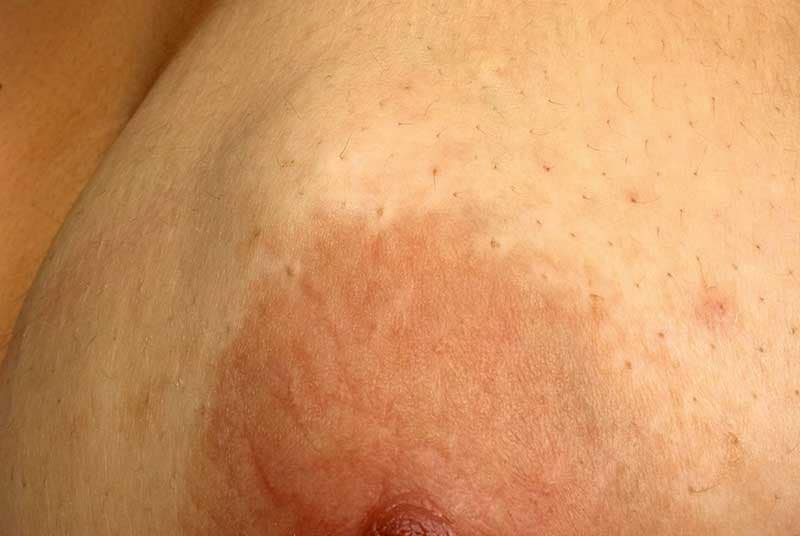
Our breasts change constantly throughout life, influenced by hormones, aging, pregnancy, and even stress. Many of these differences are completely normal. The most powerful wellness tool you have is simply getting to know your unique body—as it is right now—so that you can spot something new, unusual, or persistent more easily. Think of breast awareness as a form of self-respect, not a quest for perfection. Checking in regularly with your body builds trust in your intuition and allows you to seek help early if anything feels off.
10 Subtle Breast Changes: What Should You Look Out For?
- A new lump or thickened area in the breast or underarm that feels different from the surrounding tissue
- Noticeable change in shape or size, especially if it occurs on one side only
- Persistent swelling or puffiness in one part of the breast
- Skin dimpling, puckering, or indentations (sometimes described as an orange-peel texture)
- Redness, unexplained rash, or flaky skin on the breast, nipple, or areola
- Nipple pulling inward or suddenly changing direction
- Nipple discharge that is bloody or clear and appears without squeezing
- Ongoing pain or tenderness in one spot (even though most early breast cancers are painless)
- Skin changes like thickening or scaliness
- Enlarged lymph nodes under the arm or near the collarbone
It’s important to remember: Most breast lumps or changes turn out to be non-cancerous, especially in younger people. Cysts, benign growths, and hormone-related shifts all occur commonly. However, new or persistent changes should be checked out for your peace of mind.
Self-Awareness First: Gentle Breast Health Routines
Staying in tune with your breasts does not have to be complicated. Gentle routines support both body and mind, and help you naturally notice what’s normal for you. Try these holistic habits:
- Choose a consistent time each month—often a few days after your period—when breasts are less swollen and tender
- Use gentle fingertips to explore all areas of your breasts, including up toward the collarbone and out toward the armpit
- Check visually as well: Stand before a mirror with arms at your sides and again overhead; note any shifts in contour, skin, or nipples
- Record anything different or persistent in a way that feels natural—whether in a simple journal or wellness app—but do not let this practice become a source of stress
Current research suggests that rigid, monthly “self-exams” are not necessary for everyone, but relaxed body awareness helps you spot changes early and reduces anxiety around the process.
What to Do When You Discover a Lump
Feeling a lump can set off alarm bells, but most are harmless. Consider these steps:
- Contact a healthcare professional if you find a new, hard, or long-lasting lump—especially if it feels distinctly different from other tissue
- Seek evaluation promptly if the lump seems fixed (not easily movable), enlarges, or occurs with other changes in the breast or skin
Healthcare providers can offer clinical breast exams and may recommend imaging (such as mammograms or ultrasound) for clarification. Early attention lessens worry and ensures any needed care starts promptly.
Holistic Support for Breast Health
Holistic care focuses on your whole being—body, mind, and spirit. While natural habits cannot diagnose or treat breast cancer, they can nurture breast tissue and overall well-being:
- Emphasize colorful fruits and vegetables: They provide antioxidants, fiber, and a range of nutrients linked with cellular health.
- Incorporate healthy fats from sources like flaxseed, walnuts, and olive oil—these support hormonal balance and skin integrity.
- Stay active: Enjoyable movement such as walking, light yoga, or dancing helps with lymph circulation and mood support.
- Gentle lymphatic care: Practices like dry brushing, self-massage with plant oils, or mindful deep breathing can support natural lymph drainage and relaxation.
- Prioritize stress relief: Meditation, breathwork, or quiet herbal teas such as chamomile can ease tension and may soothe hormonal breast discomfort.
Traditional herbal practice has used red clover, calendula, and chamomile for breast comfort or skin soothing, though robust scientific evidence is limited. If considering herbal support—especially when pregnant, breastfeeding, using medication, or managing chronic illness—consult with a qualified practitioner. Natural routines promote wellness and comfort, never as a replacement for medical care.
When To Consult a Healthcare Provider: Listen to Your Body
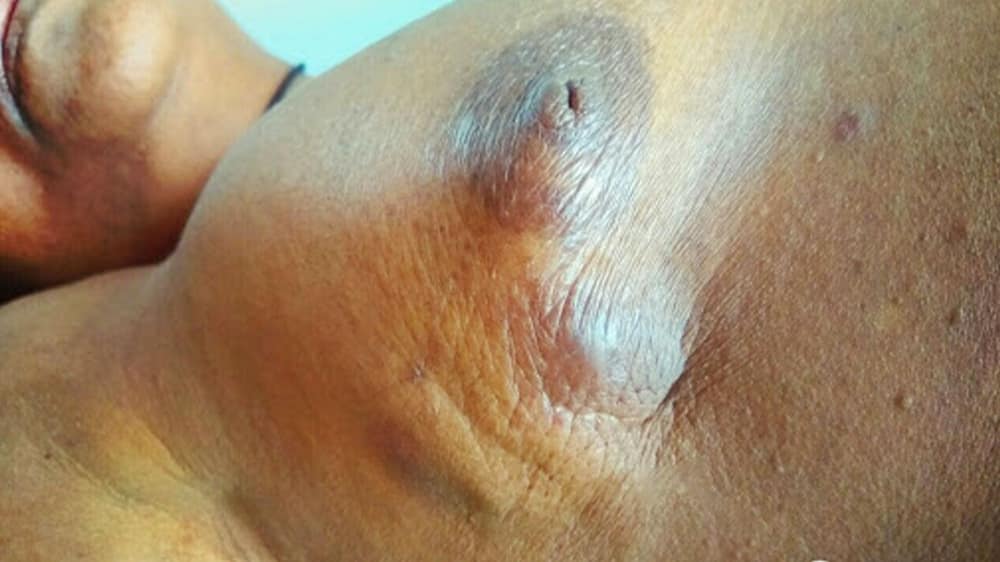
Trusting your instincts is a powerful act of self-care. Connect with your healthcare provider if you notice:
- A new lump, swelling, or thickening that persists through your cycle
- Unusual nipple discharge, color or shape changes, or one-sided pain that does not resolve
- Skin that appears red, puckered, dimpled, or flaky without an obvious cause
- A family or personal history of breast or ovarian cancer and you observe new changes
A medical evaluation brings clarity and reassurance. Most breast changes are not caused by cancer—but when they are, early identification offers the best outcome. This is an empowering step, not one rooted in fear.
FAQs: Breast Changes & Integrative Self-Care
Is breast pain an early warning sign?
Breast pain is rarely linked to cancer and most often relates to hormone fluctuations, emotional stress, or benign causes. Persistent pain in one area, however, does warrant a check with your provider.
Can food, herbs, or supplements prevent breast cancer?
No natural remedy or diet can guarantee protection against cancer. A balanced lifestyle—with seasonal produce, movement, and stress management—can help support your overall well-being, including healthy breast tissue.
How often should professional breast exams or screening occur?
Follow your local guidelines for breast screening and consult a healthcare provider about the right schedule for you, especially if you have additional risk factors. Professional exams complement—not replace—self-awareness.
The Takeaway: Breast changes are a common part of life, and most are not a sign of cancer. The most important step is to know your body, trust what you notice, and seek expert guidance if something concerns you. Save or share this article to foster breast awareness for yourself and your loved ones—you deserve to feel informed, empowered, and cared for.
This article is for general wellness education and is not medical advice. Talk with a qualified clinician before changing health routines, supplements, or treatments.
Related Posts
Inside Ozempic: What Really Happens to Appetite, Digestion & Blood Sugar
If you or someone you care about is using Ozempic,…
Science and Nature Unite: How Heart Attacks Became Preventable
Not long ago, a heart attack was seen as a…
How to Clean Your Ears Safely: Break the Cotton Swab Habit
Does ear cleaning tempt you with the quick fix of…